
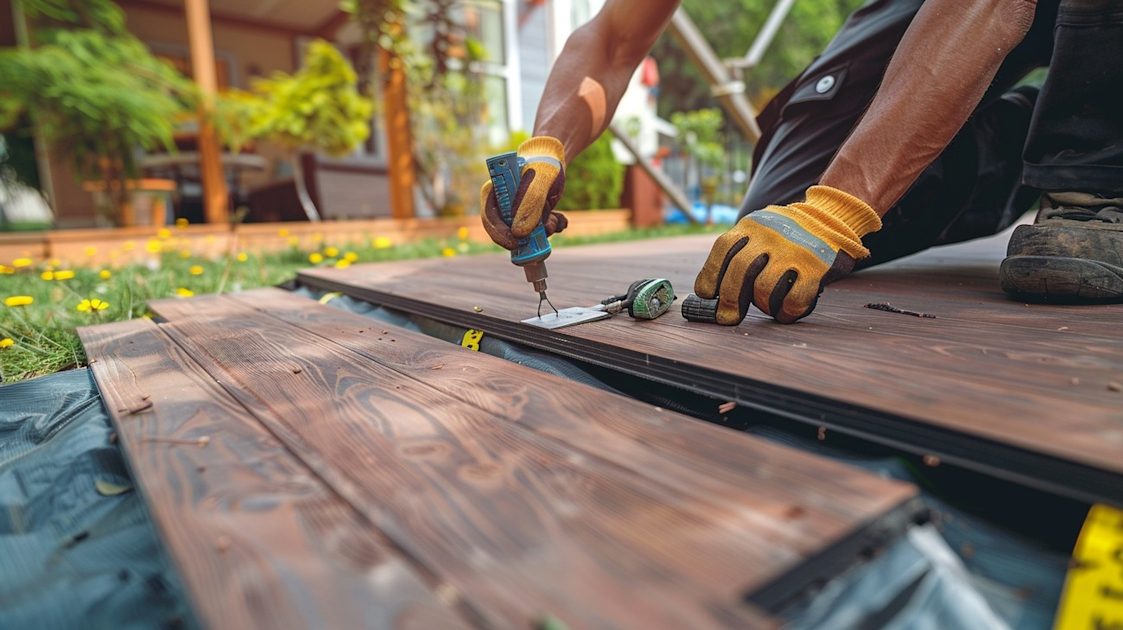


Installing a composite deck is a fabulous way to enhance your backyard space, providing a durable and aesthetically pleasing outdoor area for relaxation and entertainment. This guide covers everything you need to know about composite deck installation, from choosing materials to the final touches. Let's dive into the world of composite decking with a step-by-step approach that ensures a smooth and successful installation.
Understanding Composite Decking
Composite decking is a popular alternative to traditional wood decks, made from a blend of plastic and wood fibers. This combination offers several benefits, including increased durability, resistance to weather and insects, and ease of maintenance. Unlike natural wood, composite materials don't splinter or warp and are available in a wide range of colors and textures to match any outdoor decor.
Why Choose Composite Decking?
Selecting composite decking for your outdoor project can be a wise investment for several reasons:
Low Maintenance: Composite decks require minimal upkeep compared to wood, saving you time and effort on staining, sealing, or painting.
Durability: Resistant to rot, moisture, and harsh weather conditions, composite decking is designed to last many years without significant wear and tear.
Eco-Friendly: Many composite decking brands utilize recycled materials, making it a sustainable choice for environmentally conscious homeowners.
Planning Your Deck Installation
Before you start building, careful planning is crucial. Here are the essential steps to streamline the process.
Determining the Deck Size and Design
Consider how you plan to use your deck. Will it be a small, intimate space for morning coffee, or do you envision large gatherings with family and friends? The functionality will guide the size and layout:
Layout Options: Multi-level, platform, or raised designs based on your yard's slope and space availability.
Incorporate Features: Built-in seating, planters, or lighting for a personalized touch.
Securing Permits and Approvals
Always check with local authorities to determine if permits are required for your deck project. Complying with building codes ensures safety and legal adherence, avoiding potential issues later on.
Choosing the Right Composite Materials
Selecting top-quality materials is crucial to the success and longevity of your deck. Consult with manufacturers and retailers to find the best variety for your needs:
Color and Finish: Choose colors that complement your home’s exterior and consider finishes like matte or wood-grain for added aesthetic appeal.
Board Options: Grooved or ungrooved boards allow different fastening methods, impacting the deck's appearance and ease of installation.
Preparing the Installation Site
Once your plan is solid, it's time to prepare the site. Proper site preparation is fundamental to a stable and enduring deck.
Site Clearing and Ground Leveling
Remove any obstacles, debris, or existing structures where the deck will be built. Clear and level the ground to provide a solid foundation for your deck's support structure.
- Measure the Area: Accurately measuring and staking out the deck's footprint to guide construction.
Foundation and Support Structures
The foundation is the backbone of your deck. Depending on your design, this may include concrete footings, ledgers, and support posts.
Install Footings: Dig and pour concrete footings according to local code requirements for maximum stability.
Erect Support Posts: Set the posts into the footings and make sure they are plumb and level.
Installing Composite Deck Boards
With your foundation in place, it's time to lay down the composite decking boards—the visible face of your deck.
Laying the Decking
Begin by laying the decking boards perpendicular to the joists for optimal support. Use consistent spacing between boards to allow for expansion and drainage.
Hidden Fasteners or Screws: Secure the boards using hidden fastener systems or color-matched composite screws to minimize visible hardware.
Cutting Boards to Fit: Custom cutters and jigs can help maintain precision, especially around curves or edges.
Trimming and Finishing Touches
After laying down the main decking boards, focus on the edges and final details to create a polished look.
Install Fascia Boards: Fascia boards provide a clean edge and help protect the substructure from moisture.
Edge Smoothening: Sand and smooth any exposed edges to eliminate sharpness and ensure safety.
Deck Accessories and Enhancements
Enhance your deck's function and style with thoughtful accessories and finishing touches.
Railing Installation
Rails provide safety and an opportunity to add to your deck's aesthetic. Choose materials that complement your deck, like metal, wood, or glass.
- Railing Options: Include traditional pickets, cable rails, or glass panels for a modern look.
Lighting and Accessories
Deck lighting can extend usability into the evening while setting the mood.
In-Deck Lighting: Integrated lights in stairs or under rails increase visibility and appeal.
Outdoor Furniture and Decor: Consider seating arrangements, outdoor rugs, and potted plants that enhance comfort and style.
FAQ on Composite Deck Installation
How do I prepare the site before starting composite deck installation?
Preparing your site for composite deck installation is crucial for ensuring a successful build. Start by assessing the ground where you'll install the deck. Make sure the area is clear of any debris, vegetation, or structures that could interfere with your installation. It's important to level the ground and compact the soil to provide a stable foundation for your composite decking. Depending on your design plan, you may need to dig footings for the support posts. Check for any local building codes or regulations that might affect your preparation.
What tools do I need for composite decking installation?
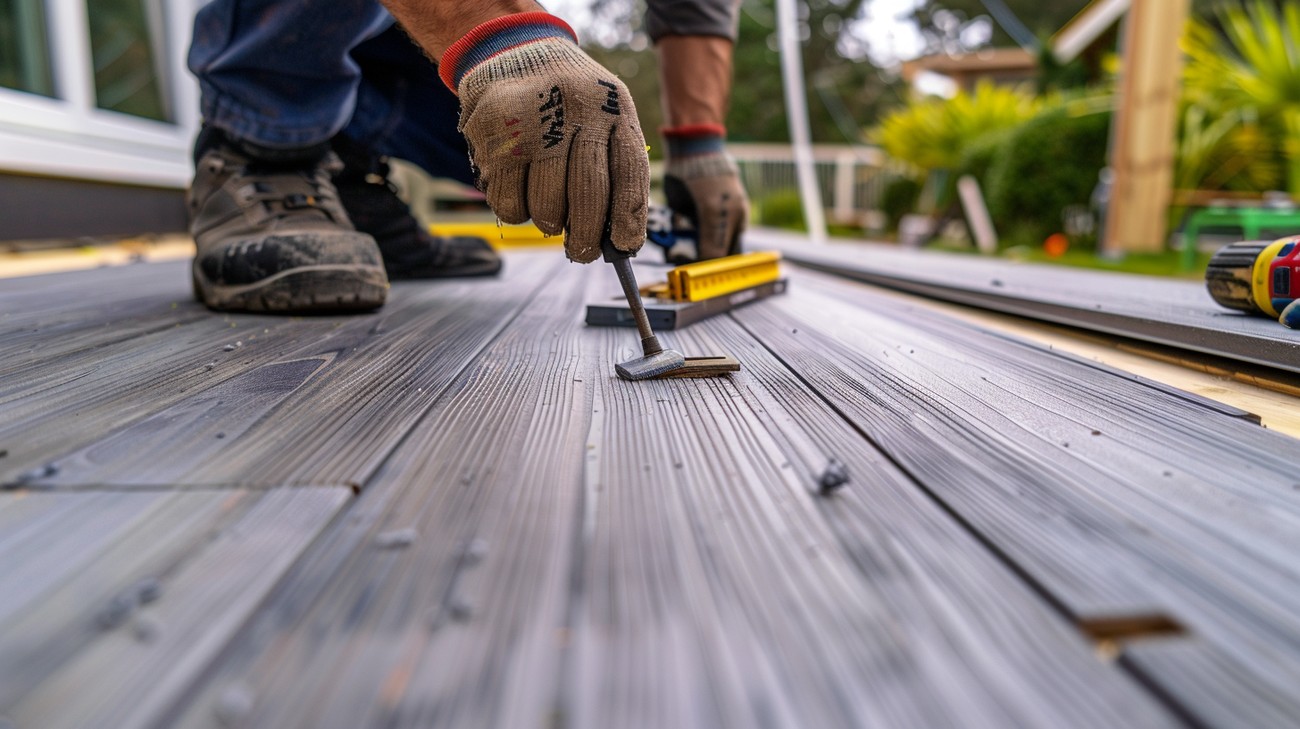
Having the right tools on hand can make composite decking installation a smoother process. You will need a circular saw with a sharp blade suitable for cutting composites, a power drill, a measuring tape, a level, and a speed square. It's also helpful to have some basic hand tools like a hammer, a wrench, and safety equipment such as goggles and gloves. Composite decking often includes specialized hidden fasteners, so ensure you have these ready to go, along with the recommended screws to secure them in place.
How do I plan the layout for a composite deck installation?
Planning the layout for a composite deck is all about measurement and alignment. Begin by measuring your deck's dimensions and comparing them with your composite decking supply and your overall design plan. Mark off where the decking will be installed using stakes and string to outline the perimeter of your deck. Pay special attention to the placement of joists, as they should be evenly spaced to support the boards properly. Consider using some software or sketching tools to visualize the layout, checking for any inconsistencies in measurement that might affect the installation.
Can I install composite decking over an existing deck?
Yes, you can install composite decking over an existing deck, provided that the substructure is in good condition. Begin by thoroughly inspecting the current decking and supports for any signs of rot, decay, or damage. The structure should be solid and capable of carrying the additional weight of the composite materials. Any compromised elements should be repaired or replaced prior to starting your composite deck installation. Remember, the surface should be level, so shimming may be necessary where there is unevenness.
Are there specific fasteners needed for composite deck installation?
Indeed, composite deck installation often requires specialized fasteners designed to work with composite materials. These fasteners help maintain the integrity of the boards and contribute to a cleaner, more polished appearance. Hidden fasteners are highly recommended as they provide uniform spacing between boards without visible screws on the deck surface. These fasteners are usually accompanied by screws made of stainless steel or another non-corrosive material to prevent staining or degradation over time.
How do I ensure proper drainage for a composite decking installation?
Ensuring proper drainage is crucial to maintaining the longevity of your composite deck. Proper spacing between boards during the composite deck installation will provide the necessary gaps for water to flow through without pooling. The substructure should be slightly sloped away from your house to facilitate water runoff. Adding a moisture barrier or drainage mat beneath the deck may help in directing water away and protect the decking material from moisture-related damage.
What maintenance does a composite deck require after installation?
One of the benefits of composite decking is its low maintenance requirements. However, after composite deck installation, routine cleaning is essential. Simply sweep away debris and use a mixture of soap and water or a gentle commercial deck cleaner to remove dirt and stains. Avoid using harsh chemicals or pressure washers as they can damage the surface. Regularly inspect your deck for any signs of wear, loose fasteners, or shifting panels to ensure a safe and long-lasting structure.

Cost Breakdown
Typical Price Ranges
When it comes to composite deck installation, pricing can vary significantly based on the size and complexity of the project. Typically, you can expect to pay between $20 to $45 per square foot. This means a standard 200-square-foot deck might set you back anywhere from $4,000 to $9,000. These figures usually cover the cost of materials, labor, and basic installation services. However, the total can fluctuate based on several influential factors.
Factors that Affect Cost
Several variables will shape your composite deck's final price tag:
Size and Design Complexity: Larger decks require more materials and labor, naturally increasing costs. Complex designs that include multiple levels or intricate patterns can also add to the expense.
Material Quality: The quality of composite decking materials ranges widely. High-end composite materials, designed to mimic the look and feel of traditional wood, are more costly, while budget-friendly options with a less refined appearance are cheaper.
Location: Where you live affects labor costs, with urban areas typically demanding higher rates than rural locales. Specific regional building codes and permit requirements may also contribute additional expenses.
Additional Features: Extras such as railing systems, built-in seating, lighting, and stairs will raise the overall cost. If you plan on having a high-end finish or custom features, expect to pay more.
Cost Comparison: Budget vs Premium Options
In the realm of composite decking, budget options might cost you roughly $4,000 to $6,000 for a basic 200-square-foot deck. At this tier, expect fewer features and a basic, straightforward design without the premium finishes.
Contrast that with premium composite decking, where expenses could balloon to $8,000 to $12,000 or more. Premium options offer advanced features like enhanced scratch resistance, superior color fading resistance, and more sophisticated construction designs that mimic natural wood more convincingly.
Hidden Costs to Consider
Be on the lookout for costs that might not be immediately apparent:
Permits: Depending on your location, you might need to secure permits, which can cost between $100 to $500.
Land Preparation: If your yard needs significant grading or clearing, prep work can add a few hundred to several thousand dollars.
Stairs and Railings: These are often sold separately from the main decking materials and can quickly add $20 to $30 per linear foot.
Delivery Fees: Some suppliers charge for delivery, especially for large loads, which might range from $50 to a few hundred dollars.
Ways to Save Money
Looking to install a composite deck without breaking the bank? Here are some savvy strategies:
- Off-Season Installation: You can often find contractors willing to work at discounted rates during off-peak seasons like late fall or early winter.
- Do-It-Yourself (DIY): If you’re handy and have some renovation experience, undertaking part of the project yourself can dramatically cut labor costs.
- Compare Quotes: Get several estimates from different contractors to find the best deal. Don't shy away from negotiating for a better price or additional services like free delivery.
- Standard Materials: Choosing standard-grade composite materials instead of premium ones can yield considerable savings while still achieving durability and low maintenance.
- Simplified Design: Opting for a simplistic deck design over an intricate one will save on both materials and labor.

Pros & Cons of Composite Deck Installation
Pros
Low Maintenance
One of the most appealing benefits of composite decking is its low maintenance requirements. Unlike traditional wood decks, which need regular sanding, staining, and sealing, composite decks can be cleaned with just soap and water. This saves both time and energy, making your life that much easier.
Durability and Longevity
Composite decks are renowned for their durability. They're made from a blend of wood fibers and plastic, which makes them resistant to rot, warping, and insect infestation. Can you imagine a deck that withstands the elements for decades without needing constant repair? With composite materials, that dream comes true!
Stain and Fade Resistance
Those who worry about spills and stains will love this advantage. Most composite decking materials are designed to resist stains and fading, which makes them ideal for outdoor entertaining areas. You won't have to panic over spilled wine or barbecue sauce—the deck can handle it.
Eco-Friendly Options
If you're environmentally conscious, many composite decking options are made from recycled materials. This not only gives second life to materials that might otherwise end up in a landfill but also reduces the demand for virgin wood. It's a win for your deck and the planet.
Variety of Styles and Colors
Another fantastic perk is the variety. Composite decking is available in a wide range of colors and styles, allowing you to customize your outdoor space to match your personal aesthetics. Whether you prefer the look of rich mahogany or sleek, modern grays, there's likely an option that fits your vision.
Comfort Underfoot
Composite decks often offer a more comfortable walking surface compared to wood. Thanks to their innovative design, they usually don't splinter or become overly hot in the sun, which means you can comfortably walk barefoot without worry. That’s perfect for a nice, relaxing summer day outside.
No Painting or Sealing Required
Forget about the yearly chore of repainting or resealing your deck. Composite materials are designed to maintain their look without the need for paint, sealants, or other protective coatings. It's all about setting it up and letting it shine year after year.
Cons
Higher Initial Cost
The upfront cost of composite decking can be higher compared to traditional wood. While it's more affordable in the long term due to lower maintenance costs, the initial investment can be a sticking point for some homeowners who are budget-conscious.
Synthetic Appearance
Despite advances in design, some people feel that composite decking doesn't quite capture the natural beauty of real wood. If you're set on that authentic wood grain look, the synthetic appearance of composite might not fully satisfy you.
Heat Retention
On sunny days, composite decks can retain more heat compared to wood, making them uncomfortable to walk on barefoot. This could be a consideration if your deck is in a highly exposed area.
Potential for Scratching
Although durable, composite decks can be susceptible to scratching, especially with heavy furniture or pet claws. While not typically a deal-breaker, it’s good to keep in mind if you plan on moving furniture frequently or have active pets.
Weight
Composite materials can be heavier than natural wood, which might add complexity to the installation process. This could mean you'll need sturdier framing, potentially increasing the cost and time required for installation.
Limited Structural Use
Composite decking is not typically meant for structural applications, as it doesn’t have the same strength as wood. This limits its use in situations where structural integrity is critical, such as certain types of staircases or load-bearing elements.
Final Thoughts
When considering composite deck installation, it's essential to choose quality materials and plan for proper maintenance to ensure your outdoor space remains beautiful and functional for years to come. This type of decking combines the best of both worlds—durability and aesthetic appeal—with a variety of styles and colors to suit any home.
If you're ready to transform your backyard into the perfect retreat, we invite you to reach out to GoodLife Home Renovations. Serving homeowners in Springfield, MO, we’re here to provide expert guidance and high-quality craftsmanship for your composite deck installation. Let’s chat about your vision and how we can help bring it to life!


