
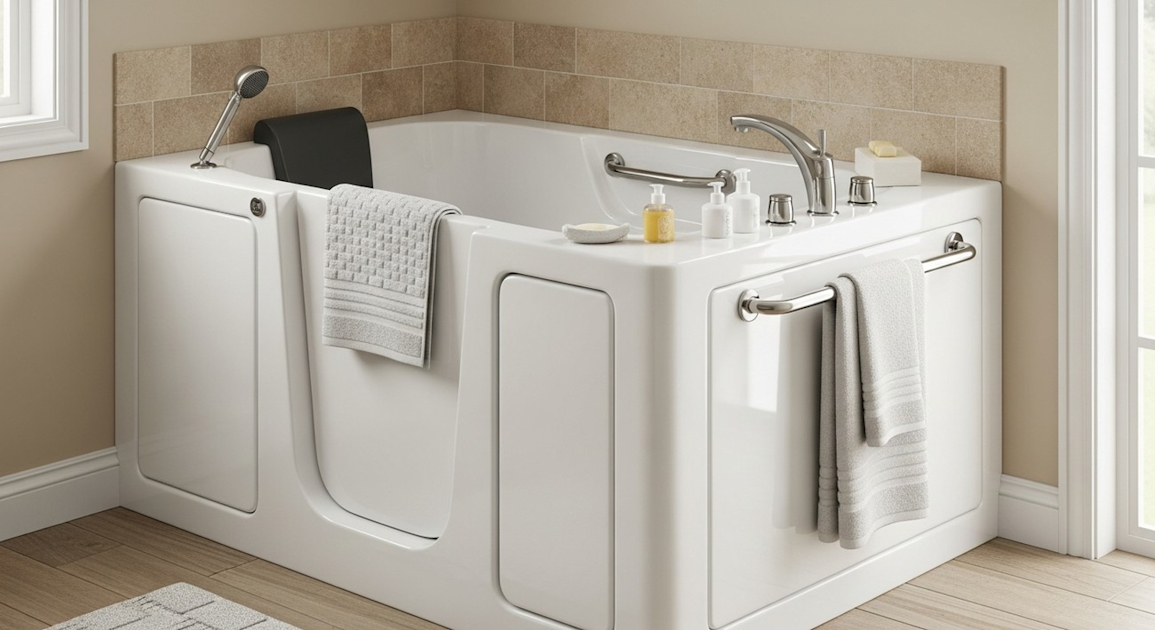


Walk-in tubs have emerged as a popular choice for many seniors and individuals with mobility challenges, offering a safe and luxurious bathing experience. With safety as a priority, these tubs come equipped with features designed to minimize the risk of accidents, a concern especially pertinent to the elderly population. However, a primary question arises: Does Medicare cover the cost of walk-in tubs? This comprehensive guide will delve into the nuances of Medicare coverage for walk-in tubs, providing you with all the necessary details to make an informed decision.
Understanding Walk-In Tubs
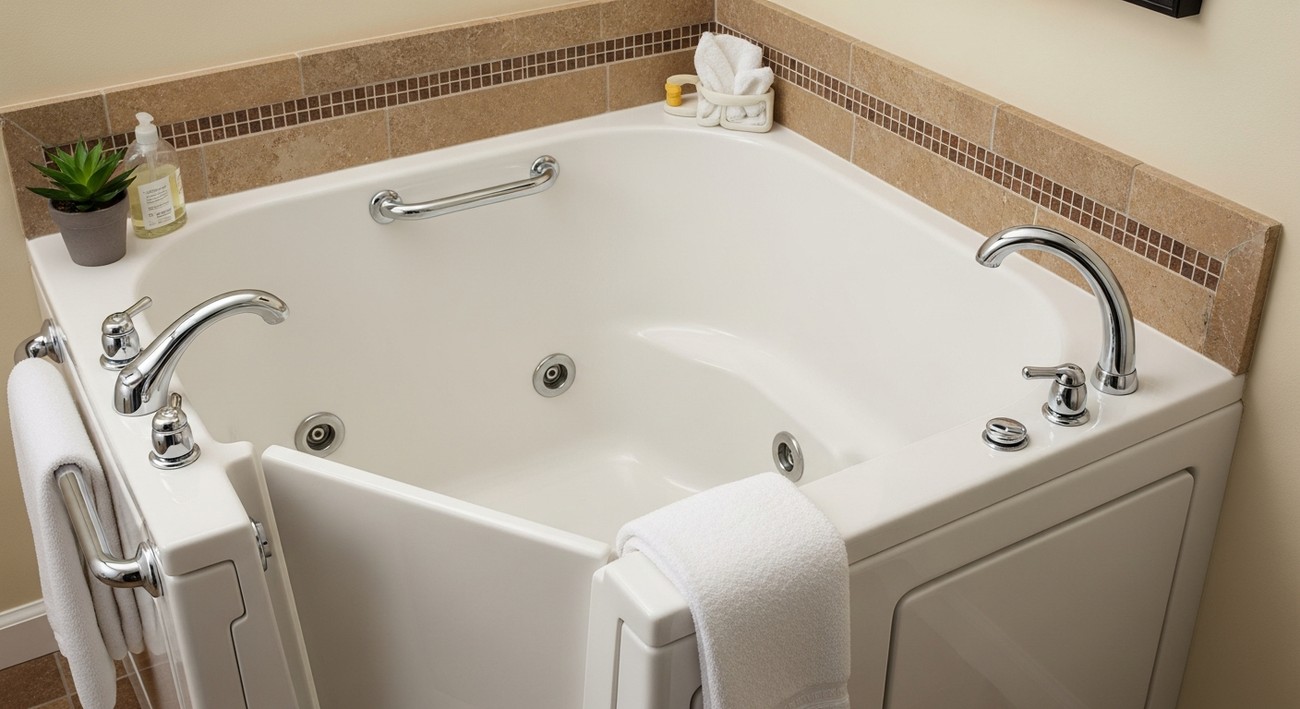
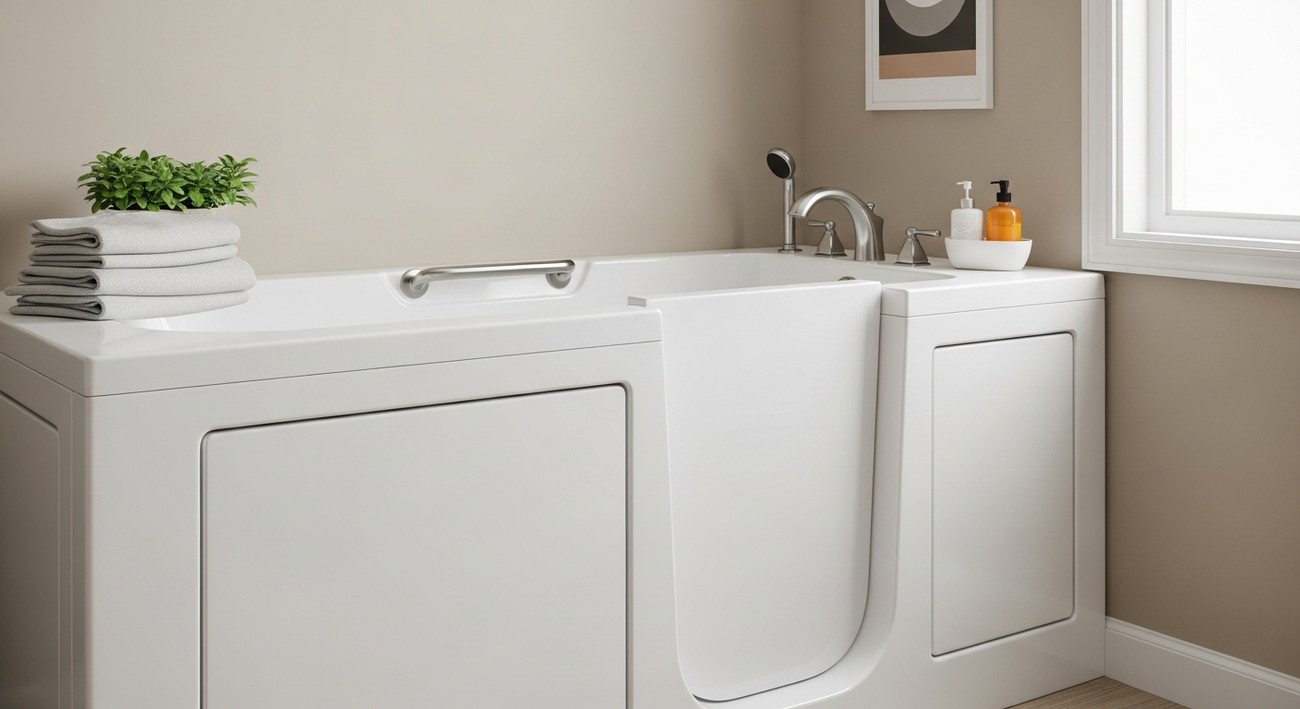
Walk-in tubs are specifically engineered to optimize safety and comfort. They feature a low entry threshold, allowing users to step in easily without climbing over a high tub wall, significantly reducing the risk of slips and falls. Additionally, they are equipped with a watertight door, built-in seating, grab bars, and often, therapeutic features such as water jets or air bubbles.
The Importance of Walk-In Tubs for Seniors
For many seniors, traditional bathtubs pose a significant challenge. The high step over the tub, and the instability of a standing shower can increase the risk of falls. Walk-in tubs address these issues by offering:
- Safety: Reduces the potential for slip-related injuries.
- Independence: Allows seniors to bathe without assistance.
- Therapeutic Benefits: Features like hydrotherapy can relieve pain associated with arthritis and improve circulation.
Does Medicare Cover Walk-In Tubs?
To answer this question, one must first understand the structure of Medicare. Medicare is a federal health insurance program primarily for people aged 65 or older, and it consists of different parts:
- Medicare Part A (Hospital Insurance): Primarily covers inpatient hospital stays, care in a skilled nursing facility, hospice care, and some home health care.
- Medicare Part B (Medical Insurance): Covers certain doctor services, outpatient care, medical supplies, and preventive services.
- Medicare Part C (Medicare Advantage): An alternative to the Original Medicare, offered by private companies.
- Medicare Part D (Prescription Drug Coverage): Helps cover the cost of prescription drugs.
Coverage Limitations
The primary challenge is that Medicare often categorizes walk-in tubs as "luxury" items or home modifications, which typically do not fall under standard coverage. Here's why:
- Durable Medical Equipment (DME): While Medicare Part B covers certain DME like wheelchairs or walkers, walk-in tubs usually do not qualify under this category.
- Medical Necessity: To be considered for coverage, the equipment must be deemed medically necessary. Walk-in tubs, despite their benefits, are rarely classified as such.
Steps to Seek Medicare Coverage
Despite the general rules, there are instances where walk-in tubs may obtain partial coverage. Here’s a step-by-step guide to explore this possibility:
- Consult Your Doctor: A doctor must prescribe the walk-in tub as a medically necessary item that aids in the treatment or management of a specific condition.
- Gather Documentation: Collect medical records and a letter of medical necessity from your healthcare provider.
- Apply for Pre-Approval: Reach out to Medicare via your plan (Original or Advantage) to apply for preapproval. Include all pertinent documentation.
- Review Alabama Medicaid Waivers: Some states have Medicaid waivers that might cover walk-in tubs if Medicare does not. Alabama's program, for instance, offers coverage for elderly and disabled individuals.
Alternative Funding Options
If Medicare does not cover your walk-in tub, don't worry. There are alternative ways to finance your purchase:
- Medicaid: Unlike Medicare, Medicaid is jointly funded by the state and federal government and may offer more robust coverage for home modifications.
- Veterans Benefits: The Department of Veterans Affairs may provide coverage or assistance for home modifications.
- Financial Assistance Programs: Reach out to non-profit organizations that cater to senior citizens or those with disabilities for additional support.
- Payment Plans and Discounts from Manufacturers: Some manufacturers offer payment plans or discounts, which can make purchasing a tub more affordable.
Financial Assistance Programs May Include
- Elderly and Disabled Waiver Programs
- State Assistive Technology Programs
- Non-Profit Organizations like Rebuilding Together or Area Agencies on Aging
Frequently Asked Questions About Medicare Coverage for Walk-In Tubs
Does Medicare Part B cover walk-in tubs?
Medicare Part B typically covers outpatient services, durable medical equipment, and some preventive services, but walk-in tubs do not usually fall under these categories. Walk-in tubs are primarily considered a convenience appliance rather than a medical necessity. However, if a doctor deems it medically necessary for safety and health reasons, you might be able to make a case for coverage, though this is rare. If you aim for coverage, it will require extensive documentation and strong advocacy from your healthcare provider.
Are walk-in tubs covered by Medicare Advantage plans?
Medicare Advantage Plans, also known as Medicare Part C, are offered by private insurance companies and often provide coverage for services not included in original Medicare. Some of these plans might offer additional benefits that could cover part of the cost for walk-in tubs if deemed medically necessary. It's crucial to check directly with your Medicare Advantage plan provider to find out if walk-in tubs are included in your coverage options.
How can I convince Medicare to pay for a walk-in tub?
Getting Medicare to cover the cost of a walk-in tub involves demonstrating medical necessity. You will need a prescription or letter from your healthcare provider outlining why a walk-in tub is necessary for your health and safety. Include detailed documentation of any mobility issues, medical conditions, and how a walk-in tub specifically addresses those issues better than any other treatments or devices. Note that persuading Medicare to cover walk-in tubs can be challenging, so persistence and thorough documentation are vital.
What steps should I take if Medicare denies my claim for a walk-in tub?
If your claim for a walk-in tub is denied by Medicare, you have the right to appeal the decision. The appeal process involves several levels, starting with a redetermination by the company that handles your Medicare claims. If denied again, you may request reconsideration by an independent evaluator, followed by a hearing with an administrative law judge, and potentially further reviews. When appealing, provide detailed evidence, including medical evaluations and letters of necessity from healthcare providers, to strengthen your case.
Can Medicaid pay for a walk-in tub if Medicare does not?
Medicaid is a state-administered program and could potentially assist in paying for a walk-in tub, particularly if it's a matter of health and safety for the individual. Coverage will vary significantly from state to state, so it’s important to consult with your local Medicaid office. Like Medicare, proving medical necessity for a walk-in tub is crucial. If your situation meets Medicaid’s criteria for medical necessity and ensures safer living conditions, there might be a potential for financial assistance.
Are any costs related to walk-in tubs covered by Medicare?
While the actual purchase of walk-in tubs is rarely covered by Medicare, certain associated costs might be. If additional equipment or home modifications are needed for other Medicare-covered treatments or services, some of these associated costs could potentially be covered. It’s advisable to discuss your specific situation with Medicare representatives to see if any part of your installation or equipment is eligible for coverage.
Are there alternatives to walk-in tubs that Medicare would cover?
Yes, there are other options that Medicare is more likely to cover. These alternatives include medical equipment such as shower chairs, handheld showerheads, transfer benches, and other durable medical equipment that can aid in bathing safety. These devices are often covered when prescribed by a doctor as they can directly address mobility issues and help prevent injury, fulfilling Medicare’s criteria as medically necessary.
How does one appeal a denial of Medicare coverage for a walk-in tub?
To appeal a denial from Medicare, you first need to understand the rationale behind the denial. Open your Medicare Summary Notice (MSN) to find the reasons for denial. Next, follow the instructions for filing an appeal, which includes filling out a "Redetermination Request Form." Please include any additional documentation that supports your claim, such as new medical statements or detailed narratives explaining your need for a walk-in tub. Be as thorough as possible, and keep copies of everything submitted for your records.
Is there any financial assistance for seniors if Medicare doesn't cover walk-in tubs?
If Medicare doesn’t approve funding for walk-in tubs, other resources might assist financially, targeted specifically for seniors. Veterans' programs, non-profit organizations, and some state-specific senior assistance programs might offer funding or discounts. Additionally, some manufacturers provide financing options or discounts for seniors. It’s beneficial to explore community resources or reach out to local organizations that focus on the health and well-being of seniors for potential assistance.
Cost Breakdown
Typical Price Ranges
When considering Medicare coverage for walk-in tubs, it's vital to understand the various price points. The typical cost of a walk-in tub ranges from approximately $2,000 to $10,000. Basic models, which include standard features like a door and a built-in seat, can cost between $2,000 and $5,000. However, if you're eyeing the more luxurious options, complete with hydrotherapy jets and quick-drain features, prices soar to the realm of $5,000 to $10,000.
Factors That Affect Cost
Several factors sway the total cost of a walk-in tub. Firstly, the brand and model largely determine the base price. A high-end model with premium jets and a sleek design naturally commands a higher price. Installation costs can also vary significantly. The complexity of the installation, perhaps due to the need for plumbing adjustments or electrical work, may add $700 to $3,000 to your bill.
Another cost factor is the material; acrylic is a common choice due to its durability, but high-end materials like gel-coat finish might push costs upward. Additional features such as heated backrests, aroma therapy, and lighting all add to the final price, each feature typically costing between $200 and $1,500.
Cost Comparison (Budget vs Premium Options)
If you're on a budget, basic walk-in tubs offer a practical solution to safety concerns at home without breaking the bank. These models range from $2,000 to $3,500 and provide essential safety features like anti-slip floors and grab bars. Conversely, premium options, which can range from $5,500 to $10,000, offer a spa-like experience with multiple jets, digital controls, and luxury finishes.
For someone mainly looking for accessibility and safety, a budget option often suffices. However, if you're looking to simultaneously indulge in an at-home spa treatment, investing in a premium model might be worth the splurge for those extra relaxation benefits.
Hidden Costs to Consider
When calculating the cost of a walk-in tub, there are hidden expenses to keep in mind. Installation is the most significant, with labor costs that vary based on location and the complexity of the job. Modifications to your bathroom, such as structural changes or upgraded plumbing, could further inflate costs.
Maintenance is another hidden cost. While walk-in tubs generally require minimal maintenance, occasional repairs or replacements, especially for models with sophisticated features, can add unplanned expenses. It's also wise to check if your insurance policy includes repair and maintenance for medical reasons, as this could deflect some of these costs.
Lastly, increased water and electricity bills could become a reality, especially if therapy features are used frequently.
Ways to Save Money
Saving on walk-in tubs is completely doable with a bit of diligence. Investigate whether Medicare or your insurance provider might cover part of the cost, particularly if the tub is deemed a medical necessity. You might need a prescription from your doctor to qualify, as standard Medicare plans don't typically cover walk-in tubs. Consider looking for discounts offered by manufacturers or retailers—end-of-season sales or showroom displays might provide noteworthy savings. Additionally, check for tax deductions or credits meant for home modifications that improve accessibility.
Final Thoughts
Navigating the ins and outs of Medicare coverage for walk-in tubs can feel overwhelming, but we hope this information has clarified how these essential upgrades may be eligible for financial assistance. Ensuring your bathroom is safe and accessible is a priority, especially in places like Springfield, MO, where the community values independence and comfort at home.
If you’re considering a walk-in tub installation and are curious about how it could integrate with your Medicare benefits, we encourage you to reach out to us at GoodLife Home Renovations. We’re here to help you explore your options, answer your questions, and provide a free estimate tailored to your needs. Let’s work together to enhance your home’s safety and accessibility, one step at a time.


