
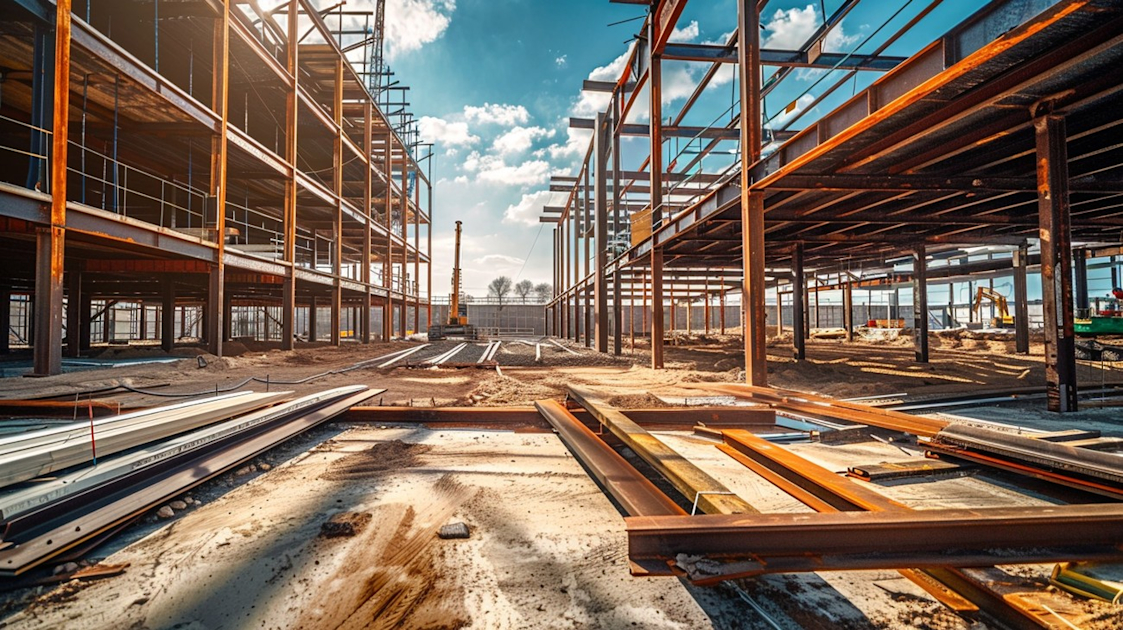


In recent years, steel deck framing has emerged as a robust, versatile alternative to traditional wood framing in construction projects. Particularly favored in both commercial and residential projects, steel deck framing offers unparalleled durability, sustainability, and design flexibility. Let’s explore what makes steel deck framing a popular choice and delve into the details of its benefits, applications, and installation process.
What Is Steel Deck Framing?
Steel deck framing involves the use of steel as the primary material for the construction of decks. Unlike traditional wood framing, steel frames are composed of galvanized or stainless steel components that form the basis of a deck’s structural integrity. Typically, these components include beams, joists, and other supports, specifically engineered to withstand various environmental conditions and load demands.
Advantages of Steel Deck Framing
Steel deck framing offers numerous advantages over traditional materials. Here are some key benefits:
Durability: Steel is inherently strong and resistant to many issues that plague wooden decks, such as rot, warping, and pest infestations. This resistance extends the lifespan of the deck, making it a long-term investment.
Sustainability: As an environmentally friendly option, steel is recyclable. It reduces the ecological impact compared to lumber, which requires deforestation.
Low Maintenance: Unlike wood, steel does not require regular sealing or staining, reducing the upkeep effort considerably.
Design Versatility: Steel can be engineered into various shapes and designs, allowing for greater creativity and adaptability in architectural styles.
Fire Resistance: Steel's fire retardant qualities provide an added layer of safety, especially in areas prone to wildfires.
Applications of Steel Deck Framing
Used extensively in various types of construction, steel deck framing suits:
Residential Decks: Perfect for creating outdoor living spaces in homes that value longevity and modern aesthetics.
Commercial Projects: Ideal for projects that require robust support systems, such as restaurants with outdoor seating, rooftop decks, or terraces.
Public Infrastructure: Frequently used in the construction of bridges, walkways, and platforms due to its strength and durability.
Installation Process
The installation of steel deck framing involves several crucial steps to ensure its stability and safety:
Planning and Design: Begin with a comprehensive blueprint that outlines the specifications, load requirements, and design aesthetics. Consulting with an architect or a structural engineer is advisable to optimize the design.
Foundation Preparation: The foundation must be prepared with precision to support the steel structure. This often involves concrete footings that are strategically placed according to the frame layout.
Frame Assembly: Pre-cut steel components are assembled on site. This typically involves fastening beams and joists with specialized hardware designed to withstand the weight and environmental elements.
Decking Installation: Once the steel frame is secure, decking materials—such as composite or wood—are installed on top, completing the structure.
Finishing Touches: Applying coatings or sealants, even though not necessary, can be an optional step for aesthetic or additional protective measures.
Key Considerations
When opting for steel deck framing, consider the following aspects:
Climate Adaptability: Ensure the chosen steel materials are suitable for the local climate, especially if facing severe weather conditions.
Load Capacity: Always calculate the load-bearing capacity, taking future enhancements or modifications into account.
Professional Installation: Although straightforward, installation often requires precision tools and expertise. Enlist professional help when possible to ensure safety and accuracy.
Steel Deck Framing Maintenance Tips
While steel deck frames are low maintenance, consider a few simple practices to extend their lifespan further:
Regularly inspect for any signs of rust or corrosion, especially if your deck is near saltwater environments.
Occasionally wash the steel components with mild soap and water to keep them clean and looking sleek.
Check bolts and fasteners periodically to make sure they remain tight and secure.
Frequently Asked Questions About Steel Deck Framing
How do I install a steel deck framing system?
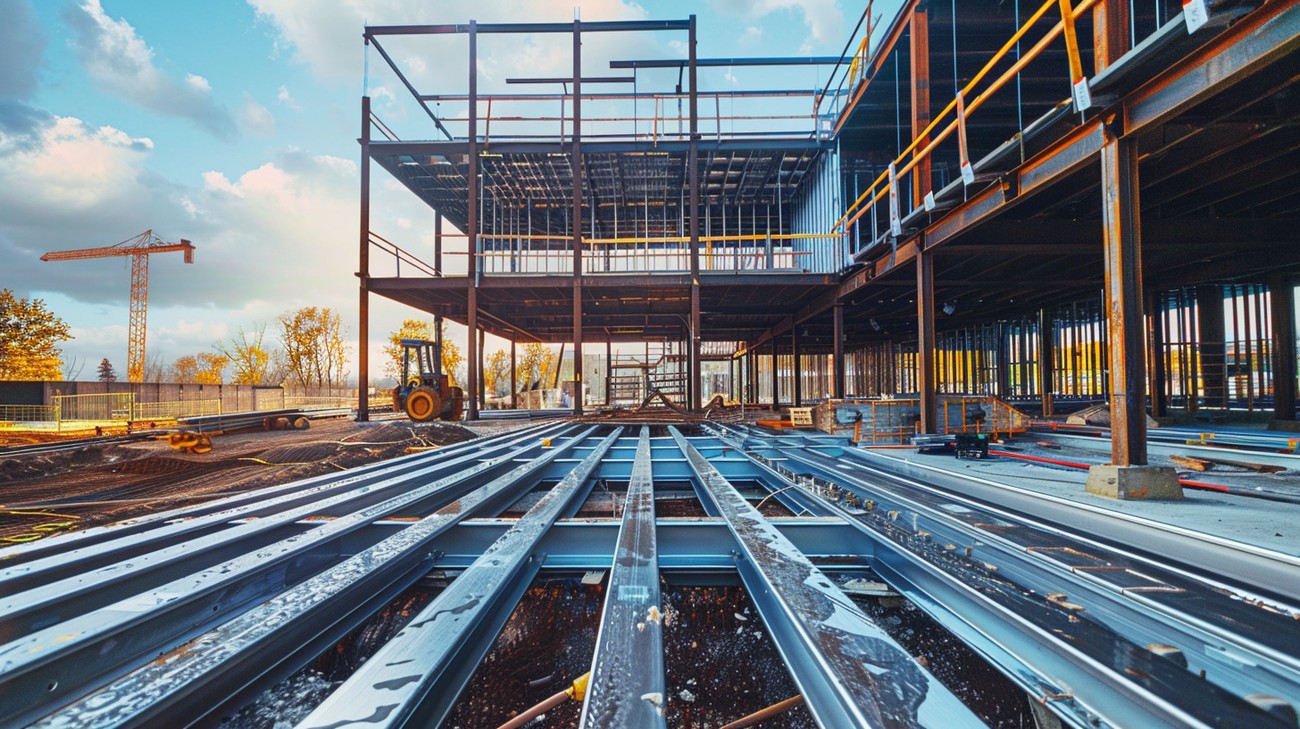
Installing a steel deck framing system involves several steps that require precision and accuracy. First, start by laying out your deck design and determining the dimensions. You'll need to measure and mark where the posts and beams will be placed. After ensuring the ground is level, install the posts using concrete footings. Next, attach the beams to the posts using specialized steel connectors. Once the beams are securely fitted, install the joists perpendicular to the beams, using joist hangers for added stability. Always check your measurements and use laser levels to ensure everything is straight and even. Finally, secure the decking material to the joists to complete your steel deck frame.
What are the benefits of using steel decking systems?
Steel decking systems offer numerous benefits that make them a popular choice for modern construction. One of the primary advantages is their incredible durability. Steel is resistant to many elements that can damage traditional wood framing, including pests, rot, and fire. Additionally, steel deck frames require less maintenance than wood, reducing overall upkeep costs. Steel frames are also versatile, easily accommodating a variety of deck shapes and sizes. Furthermore, the strength of steel allows for larger spans between supports, providing more design flexibility.
Can I use steel deck framing in coastal areas?
Steel deck framing is an excellent choice for coastal areas due to its resilience against environmental factors. Coastal environments present unique challenges, such as salt air, high humidity, and strong winds, which can accelerate wood decay and corrosion. Steel decking systems are typically treated with galvanization or coated with protective layers to resist corrosion from salt and moisture. When properly installed and maintained, steel deck frames can withstand harsh coastal conditions, making them a durable and reliable option for seaside structures.
How does steel deck framing compare in cost to traditional wood framing?
While the initial material cost for steel deck framing may be higher than traditional wood framing, it often results in long-term savings. Steel's durability means fewer replacements and repairs over the deck's lifespan, reducing maintenance expenses. Additionally, steel's predictably straight edges and precise engineering can decrease installation time, potentially lowering labor costs. When considering the deck's total lifespan and maintenance needs, steel deck framing can be a cost-effective choice by providing superior value and longevity.
Are there any special considerations for maintaining steel deck frames?
Maintaining steel deck frames requires some specific yet straightforward steps to ensure their longevity and performance. Although steel is less demanding than wood, it's essential to inspect the frame regularly for signs of rust or corrosion, especially in joints and connections. Keeping the frame clean and free of debris prevents moisture collection, which can lead to corrosion over time. If any damage or wear is noted, it's crucial to address it promptly, usually with touch-up paint or protective coating. By staying proactive with maintenance, you can extend the life of your steel deck framing.
How does the weight of steel deck framing affect the building process?
The weight of steel deck framing affects the building process in a few distinct ways. While steel is heavier than wood, its strength allows for minimal material use, leading to an overall lighter structure. This reduction in material weight can simplify shipping and handling. During installation, the straightforward assembly process and the use of prefabricated components can offset the challenges associated with steel's weight. Furthermore, the strength-to-weight ratio of steel provides a sturdy structure with fewer supports, contributing to an efficient construction process.
Is it possible to DIY a steel deck framing project?
DIYing a steel deck framing project is possible, but it requires careful planning and execution. Steel deck frames are less forgiving than wood, necessitating precise measurements and cuts. For those with construction experience, following manufacturer guidelines and using the right tools can make the process more manageable. However, for beginners, consulting with or hiring a professional might be wise to ensure safety and structural integrity. Safety gear and knowledge of local building codes are also crucial for a successful DIY steel deck framing project.
What tools are needed for working with steel deck framing?
Working with steel deck framing requires specific tools designed for precision and durability. Essential tools include a metal-cutting saw, such as a chop saw with a carbide-tipped blade, and a drill with bits capable of penetrating steel. For securing connections, an impact driver or wrench is useful for tightening bolts. Other tools like a level, tape measure, and square ensure accuracy during installation. It's also advisable to have personal protective equipment, including gloves and eye protection, to ensure safety during the project.
Pros & Cons of Steel Deck Framing
Pros
Outstanding Durability and Strength
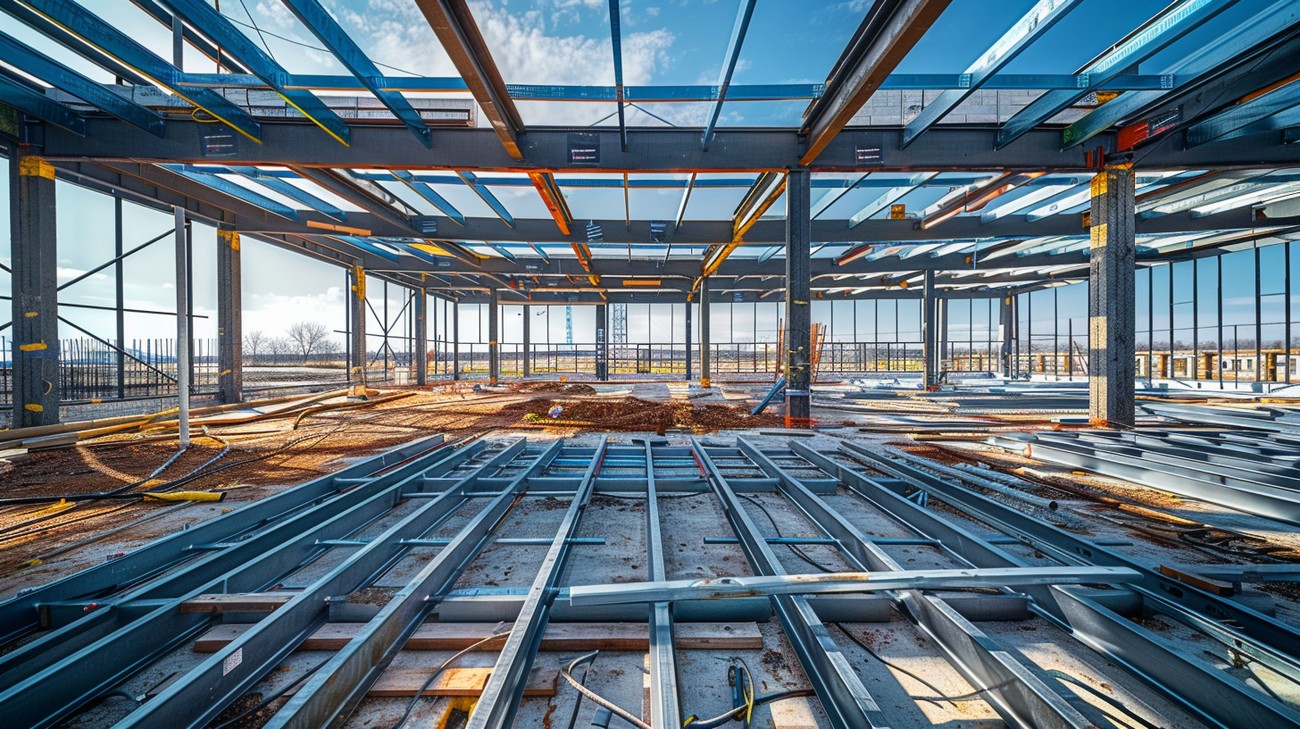
In the realm of deck building, steel stands out for its robustness and impressive strength. If resilience is what you’re after, opting for steel ensures your deck will be sturdy enough to withstand heavy loads and harsh weather conditions. Whether it's torrential rains or sweltering sun, a steel frame holds its own, providing a strong foundation that’s likely to outlast the decking material itself. If you have a sprawling backyard with heavy foot traffic, steel framing could be your best friend.
Resistance to Insects and Rot
Steel’s resistance to common outdoor foes like insects and rot makes it an appealing choice for long-term durability. Unlike wood, steel doesn't fall prey to termites or carpenter ants, nor does it succumb to the inevitable rot that plagues natural materials. This means fewer headaches and repair bills in the long run, and more time enjoying that glass of lemonade on your deck.
Fire Resistance
Let’s talk safety. Steel framing boasts a high resistance to fire—an important consideration, especially in areas prone to wildfires. While no material is entirely fireproof, steel will not ignite and could potentially buy valuable time in case of an emergency. This added safety can give you peace of mind for family gatherings and some insurance companies even offer discounts for using such safe materials.
Eco-Friendly Option
For the environmentally-conscious, steel can be a greener choice. Many steel products are made from recycled materials and are fully recyclable themselves. If sustainability is something you value, this could tip the scale in steel's favor when you’re deciding how to frame your deck.
Long-Term Cost Efficiency
While the initial investment might seem daunting, steel framing can be more cost-effective over time. Reduced maintenance needs and extended lifespan can balance out the upfront cost dramatically. Plus, the increased property value doesn’t hurt either, especially if you ever decide to sell your home.
Cons
Higher Initial Cost
A major player in the decision-making process for deck materials is cost, and steel framing does come with a steeper initial price tag compared to traditional wood. Budget-conscious homeowners might find themselves hesitant to dive in due to the upfront investment. It’s an important consideration if you're working within financial constraints.
Complexity of Installation
Steel deck framing generally requires more specialized skills to install than wood. If you’re an avid DIYer, be prepared for a steeper learning curve or possibly enlisting professional help, which could add to the overall cost. The precision needed in measuring and cutting steel components might be daunting for the average enthusiast.
Material Availability
Depending on your location, sourcing the right steel components for your deck might be more challenging than popping down to the local lumberyard. Availability can affect your project's timeline, so ensure you have a reliable supply chain in place before jumping in.
Thermal Conductivity
Steel can heat up in the sun, and while the framing itself isn’t usually exposed, in certain applications or climates, this could become a concern. Thermal conductivity means you'll need to consider the potential impact on decking material choice and design to mitigate heat absorption.
Aesthetic Considerations
Let’s face it, nothing quite compares to the classic look of wood, and steel framing inevitably gets hidden beneath the deck surface. For those who value the natural aesthetic and warmth of wood, steel might not have the same visual appeal, even if it performs magnificently.

Final Thoughts
When it comes to building strength and durability into your projects, steel deck framing stands out as a top choice for modern construction. With its ability to withstand the test of time and provide a solid foundation, investing in steel deck framing can lead to long-term benefits both in terms of structural integrity and aesthetics.
If you're considering a renovation or new build in Springfield, MO, we're here to help. At GoodLife Home Renovations, we pride ourselves on our expertise and experience with steel deck framing and other construction techniques. Contact us today to schedule a consultation or request a free estimate — we would love to help bring your vision to life!


