


Travertine tile has long been admired for its timeless beauty and durability. Whether you're planning a home renovation or exploring new construction materials, travertine can offer an appealing solution. In this comprehensive guide, we'll delve into everything you need to know about travertine tile, from its origin and production to installation and maintenance.
Understanding Travertine: A Natural Wonder
Travertine is a type of limestone, formed by mineral springs, particularly hot springs. Its creation involves a long process of water and mineral interaction, leading to the distinct features you find in travertine tiles. This stone boasts unique patterns and colors, ranging from creamy whites to rich browns, with occasional dramatic veining.
A Brief History of Travertine Use
Travertine has been utilized in architecture dating back to ancient Rome; the Colosseum is perhaps the most famous structure made primarily of travertine. Its durability and aesthetic appeal have kept it in high demand to this day, gracing floors, walls, and countertops in many homes and public buildings around the world.
The Benefits of Travertine Tile
Selecting travertine tile brings several compelling advantages:
- Aesthetic Appeal: With its varied colors and natural patterns, travertine offers a unique and elegant look that enhances any space.
- Versatility: Suitable for both indoor and outdoor use, travertine tiles can complement a wide range of design styles.
- Durability: Resistant to extreme temperatures and tough enough to withstand high-traffic areas, travertine is a smart long-term choice for homes and businesses alike.
- Eco-Friendly Material: As a natural stone, travertine is an environmentally friendly option compared to other man-made tiles.
Types of Travertine Tile Finishes
Travertine tiles are available in several finishes, enabling you to achieve the desired aesthetic in your space:
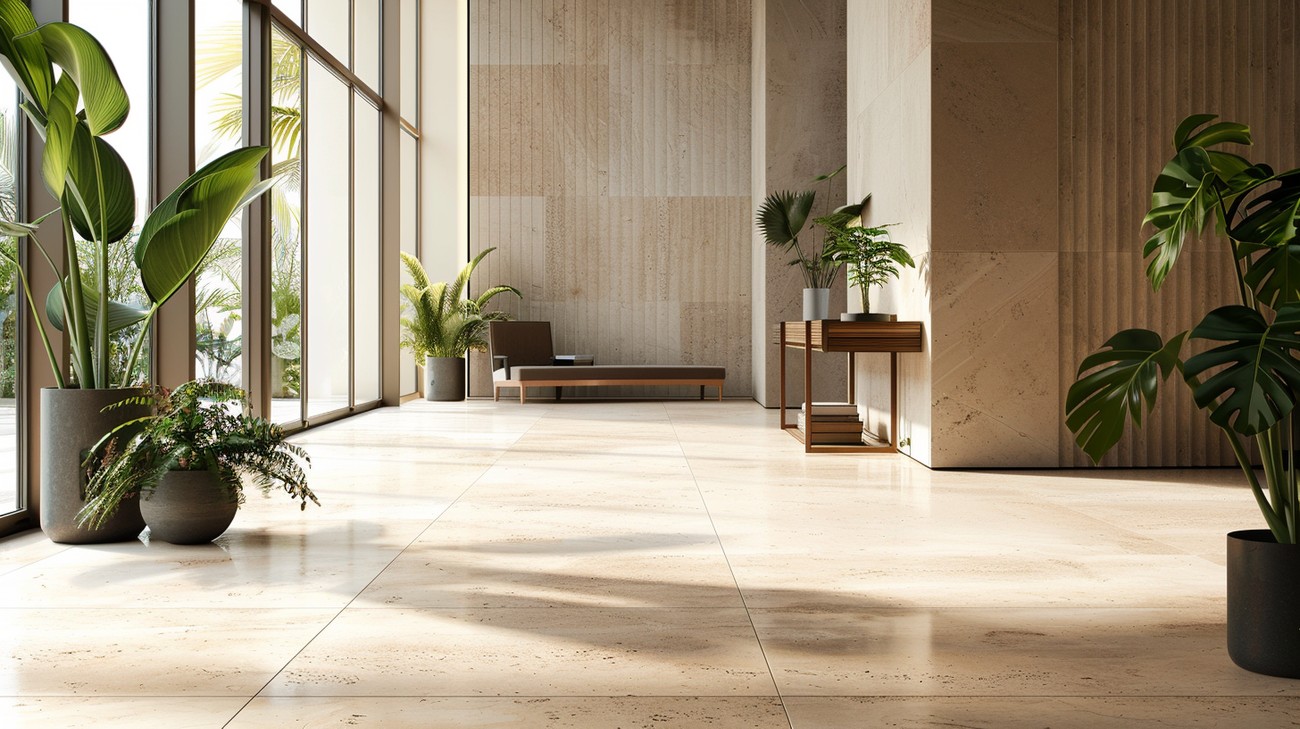
- Honed Finish: This matte finish offers a smooth surface, creating a modern and understated look while also being more slip-resistant.
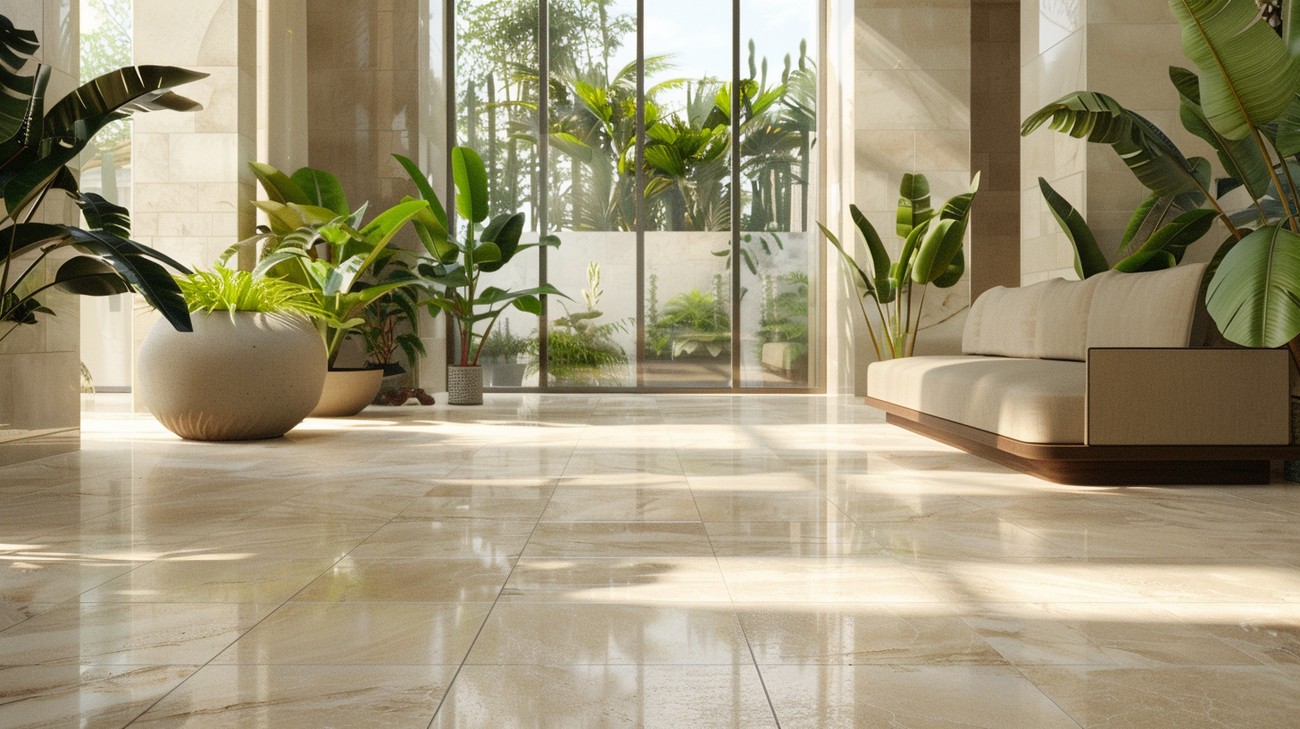
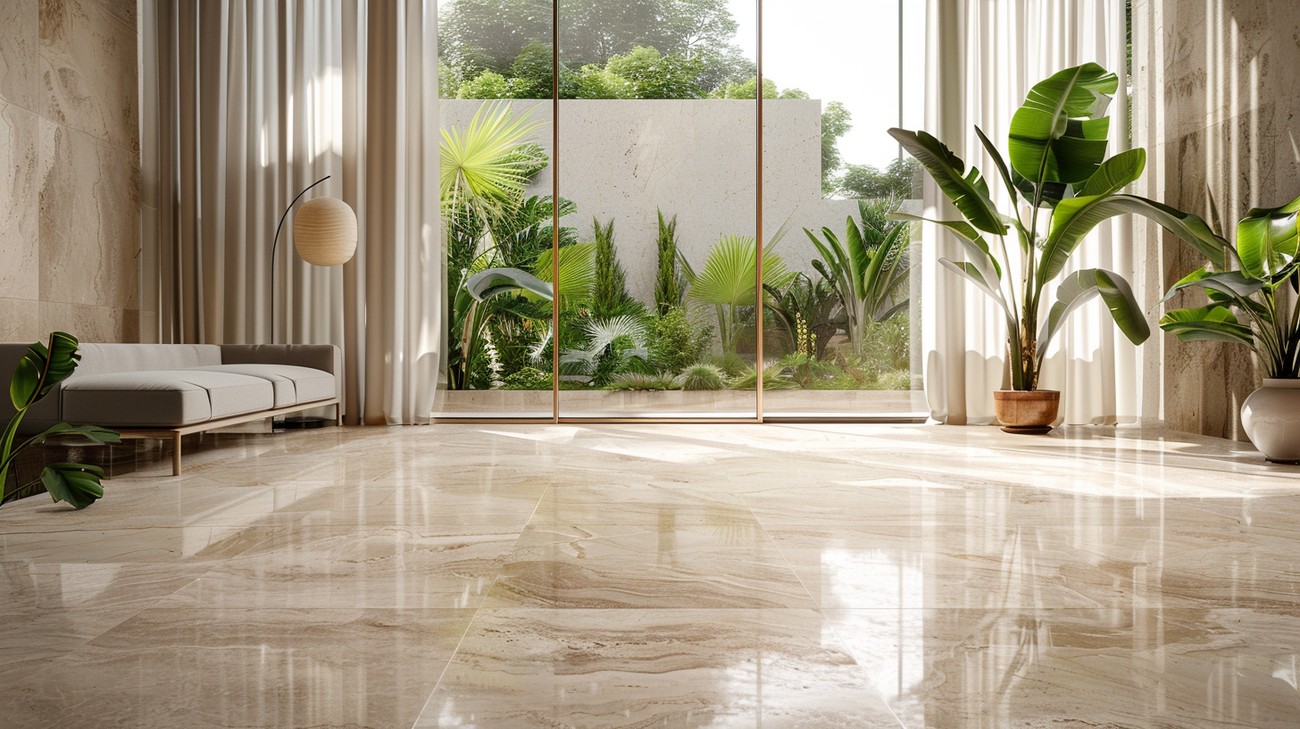
- Polished Finish: If you're aiming for a sleek, shiny appearance, a polished finish is ideal for enhancing the colors and patterns of the travertine.
- Tumbled Finish: Tumbled travertine has a rustic, aged appearance suitable for vintage or country styles.
- Brushed Finish: A textured surface achieved by wire brushing, providing an antiqued look without the rounded edges of tumbled tiles.
Uses for Travertine Tile in Home Design
Travertine tile is not only versatile but also functional across various applications and surfaces, including:
- Flooring: From grand entryways to cozy kitchens, travertine can provide a robust and elegant flooring solution.
- Wall Cladding: Travertine tiles used as wall cladding can add depth and texture to an otherwise plain surface.
- Bathroom and Shower Spaces: Its unique look adds a luxurious touch to bathrooms and shower stalls.
- Outdoor Landscaping: Suitable for patios, pool decks, and pathways, its natural adaptability to outdoor climates makes travertine a popular outdoor choice.
Installation Considerations
When it comes to installing travertine tile, attention to detail can make all the difference. Here are some guidelines to ensure success:
- Select the Right Grout: Use a color that complements the natural stone, highlighting its characteristics without overshadowing them.
- Use a Suitable Sealant: Travertine is often porous, so sealing is crucial to protect it from moisture and staining.
- Hire a Professional Installer: Expertise ensures that the tiles are laid correctly and even the trickiest cuts and patterns are executed flawlessly.
- Consider Underlayment: A proper underlayment can provide stability and maximize the durability of your travertine flooring.
Maintenance Tips for Longevity
Like all natural stone, travertine requires maintenance to retain its beauty and functionality. Here's how to take care of your travertine tiles:
- Regular Cleaning: Use a damp mop or cloth with a pH-neutral cleaner to remove dirt and debris. Avoid acidic or abrasive cleaners that may damage the surface.
- Sealing: Depending on wear and exposure, reseal your travertine every one to two years.
- Coaster and Mat Usage: Use coasters and mats in areas prone to spills to prevent stains and etching.
- Quick Spill Management: Address spills immediately to minimize potential damage, especially from acidic substances like juice or wine.
Frequently Asked Questions About Travertine Tile
How is travertine tile formed?
Travertine tile is formed from the mineral deposits left behind by natural hot springs. Over time, layers of calcium carbonate accumulate, creating the beautiful swirls and patterns characteristic of travertine stone. This process occurs over thousands of years, often leaving the stone with small holes and troughs, which contribute to its unique texture and appearance. Travertine is a sedimentary rock, part of the limestone family, and its porous nature makes it highly prized for its rustic charm and versatility in various construction applications.
Where can travertine tiles be used in the home?
Travertine tiles can be used in multiple areas throughout the home due to their durability and aesthetic appeal. They are an excellent choice for flooring in living rooms, kitchens, and bathrooms, as they offer a timeless look. Travertine tiles can also be used for backsplashes, countertops, and even outdoor spaces like patios and walkways. With proper sealing, travertine tile withstands moisture and wear, making it a versatile option for both indoor and outdoor design projects.
How do you maintain travertine tile?
Maintaining travertine tile is relatively straightforward but requires regular attention to preserve its beauty. It's essential to seal travertine tiles upon installation to protect them from stains and moisture. Regular cleaning with a damp mop and pH-neutral cleanser will keep your travertine looking vibrant. Avoid acidic cleaners, which can damage the surface of the stone. Periodically, you should re-seal the tiles, typically once a year, to maintain their protective barrier. Promptly cleaning spills and using mats or rugs in high-traffic areas can also help extend the life of your travertine flooring.
Can travertine tile handle heavy foot traffic?
Travertine tile is quite robust and can handle heavy foot traffic, making it suitable for high-traffic areas in both residential and commercial spaces. Due to its density and strength, it resists wear quite effectively. However, the tile's natural porosity means that regular sealing is crucial to prevent staining and surface damage, which are more likely to occur in busy areas. Choosing a polished or honed finish can also enhance its durability in high-traffic locations, providing a smoother, more resilient surface.
Is travertine tile expensive compared to other options?
The cost of travertine tile can vary, but it is generally considered a mid-range flooring option. While not as affordable as ceramic or some porcelain tiles, travertine is often less expensive than high-end materials like marble or granite. The price can fluctuate based on factors such as the tile's thickness, finish, and origin. Investing in travertine can add significant value to a property due to its natural beauty and timeless appeal. Additionally, the durability and longevity of travertine tiles can make them a cost-effective choice over time, despite the initial investment.
Are there different finishes available for travertine tiles?
Yes, travertine tiles come in several finishes, each offering a distinct look and feel. The most common finishes include polished, honed, brushed, and tumbled. A polished finish gives the tiles a glossy, reflective surface, enhancing their natural patterns and colors. Honed travertine tiles have a smooth but matte finish, offering a more understated elegance. Brushed finishes present a slightly textured surface that emphasizes the rustic qualities of the stone, while tumbled travertine has a more aged, antiqued look, with rounded edges and a softer feel. Choosing the right finish depends on your design preferences and how you plan to use the space.
How does travertine tile compare to porcelain tiles?
Travertine and porcelain tiles offer distinct advantages, depending on your needs. Travertine tile is a natural stone, admired for its organic beauty and unique patterns, which can create a warm, inviting atmosphere. Porcelain tiles, made from refined clay and fired at high temperatures, are often more uniform in appearance but offer superior water resistance and lower maintenance requirements. Porcelain is generally less expensive to install and can mimic the look of natural stone, including travertine, at a reduced cost. However, many homeowners and designers prefer real travertine for its authenticity and classic charm.
How should travertine tile be installed?
Installing travertine tile requires careful preparation and execution to ensure a long-lasting result. Prior to installation, it's crucial to prepare the subfloor, making sure it is clean, level, and well-supported. Use a high-quality thin-set mortar specifically designed for stone installations. Lay out the tiles to plan your pattern and avoid small cuts, which can look unprofessional. During installation, use spacers to maintain consistent grout lines and regularly check that the tiles are level. After setting the tiles, allow them to cure fully, which can take a couple of days, before applying grout. Sealing the tiles post-installation is vital to protect the surface.
Is travertine tile slip-resistant?
Travertine tile offers varying levels of slip resistance depending on its finish. Natural or brushed finishes typically provide more traction due to their texture, making them suitable for areas prone to moisture, such as bathrooms or pool surroundings. Polished travertine tile, while visually stunning, can be quite slippery, especially when wet, and may not be the best choice for areas where slip resistance is a top priority. If safety concerns are paramount, consider treating the tiles with a non-slip additive or choosing a finish that inherently offers more grip.
Can travertine tiles be used for outdoor projects?
Travertine tiles can indeed be an excellent choice for outdoor applications like patios, garden paths, and pool decks due to their durability and resistance to temperature fluctuations. Their naturally rough texture provides a good grip even when wet, reducing the likelihood of slips. However, because travertine is sensitive to acidic substances, care should be taken to avoid exposure to elements that can etch or stain the surface, such as garden fertilizers and natural debris. When using travertine tile outdoors, selecting a finish that can withstand weathering without quicker deterioration is essential. Regular sealing and maintenance will help preserve the stone’s natural beauty in outdoor settings.
The Pros & Cons of Choosing Travertine Tile for Your Space
Pros
Timeless Beauty and Elegance
Travertine tile offers an undeniable, timeless beauty that can elevate the aesthetic of any space. With its classic, earthy tones and its ability to blend seamlessly into various decor styles, this stone can add an aura of sophistication.
Durable and Long-Lasting
Travertine is incredibly durable, and if properly cared for, it can last for decades. It’s a great option for high-traffic areas where you need something that will stand the test of time.
Natural Heat Insulation
Travertine’s natural ability to stay cool makes it a perfect choice for warmer climates. This stone doesn’t retain heat like other materials, giving your floor a refreshing feel even in hot weather.
Environmentally Friendly
If you're environmentally conscious, you'll be pleased to know that travertine is a natural stone, making it an eco-friendly option. There's no need to worry about synthetic materials or environmental harm in its production.
Versatile Application Options
Travertine can be used indoors and outdoors, and it's suitable for flooring, walls, backsplashes, and even countertops. Its versatility makes it a favorite among those looking to maintain a cohesive look throughout different spaces.
Ease of Repair
In the event of a chip or crack, individual tiles can be replaced more easily than some other materials. Additionally, because travertine is a natural stone, it’s easier to match new tiles with older ones.
Cons
Porous Nature and Staining
One of the main drawbacks of travertine tile is its porous nature. This means it's more susceptible to staining if not properly sealed. You'll need to be diligent about sealing and resealing the tiles periodically to maintain their appearance.
Can Be Scratched Easily
Travertine is a softer stone compared to granite or porcelain. This makes it more prone to scratches and other surface damage, particularly in areas with heavy foot traffic or where pets are present.
Requires Regular Maintenance
Because of its susceptibility to stains and scratches, travertine requires more upkeep than some other materials. Regular cleaning and periodic sealing are necessary to keep it looking its best.
Higher Cost
Travertine can be more expensive than other types of tile, both in terms of the initial purchase price and installation costs. Budget-conscious renovators might find it a bit outside their range for larger projects.
Risk of Slippage
When wet, travertine tiles can become slippery, making them potentially hazardous in areas prone to moisture, like bathrooms or poolside settings. Ensuring a non-slip finish or using rugs can help mitigate this issue.
Sensitive to Acidic Substances
Acidic substances like vinegar, wine, or citrus can etch and stain travertine, so extra care has to be taken to prevent spills and clean them immediately if they occur.
Color Variation and Inconsistencies
While the natural variation can be a pro in terms of aesthetics, it can also be a con when it comes to consistency. Travertine tiles can vary greatly, and this might not be ideal for someone looking for a more uniform appearance.
Final Thoughts
When choosing materials for your home, travertine tile stands out for its beauty and versatility, making any space feel more elegant and inviting. Whether you’re looking to enhance your bathroom, kitchen, or outdoor area, this natural stone can be the perfect choice, especially for homeowners in Springfield, MO, where its unique texture complements the local aesthetic beautifully.
If you're considering incorporating travertine tile into your renovation project, we’re here to help you every step of the way. At GoodLife Home Renovations, we understand the nuances of selecting the right materials and can guide you in making the best decisions for your home. Feel free to reach out to us for a consultation or to discuss your ideas—we’d love to turn your vision into reality!

