
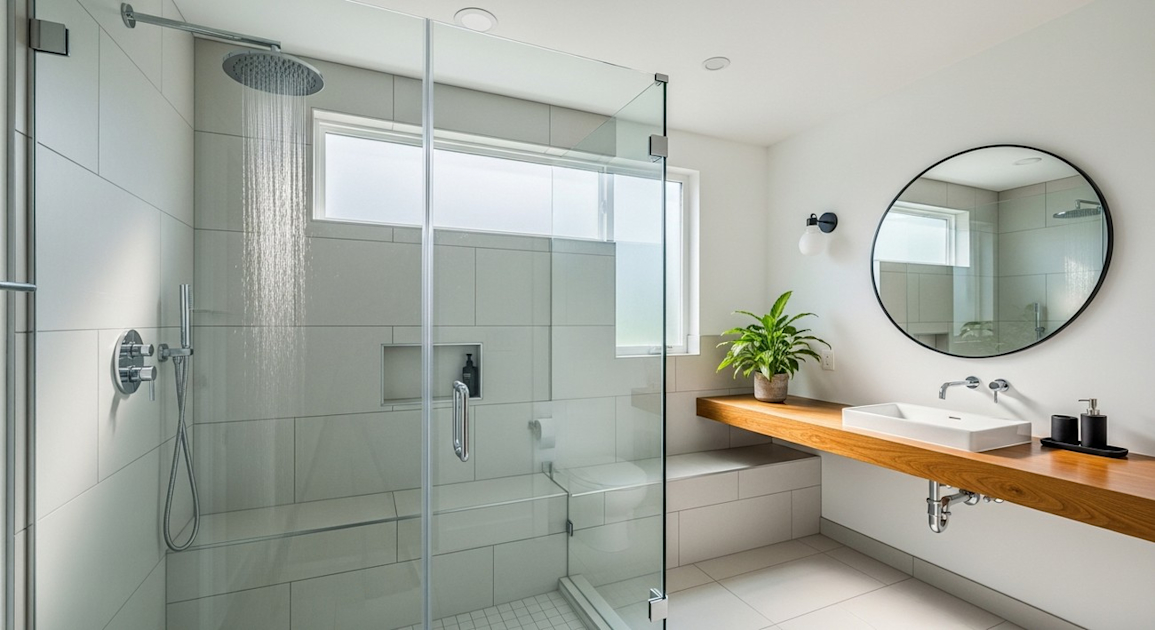


In the modern era of home remodeling, optimizing bathroom spaces has become a top priority for homeowners and interior designers alike. One of the most popular transformations is the tub to shower conversion. This transition can enhance your bathroom's functionality and aesthetic appeal. Whether you're considering water efficiency, style, or safety, converting a tub into a shower presents numerous benefits. Let's dive into the details of tub to shower conversions.
Why Consider a Tub to Shower Conversion?
Experiencing the transformation from a tub to a shower can change how you utilize and perceive your bathroom space. It's not merely about swapping out a fixture; it's about embracing a lifestyle upgrade. Here's why many are opting for this change:
- Space Efficiency: Showers generally take up less room than traditional tubs, creating a more spacious and open feel in your bathroom.
- Ease of Accessibility: For the elderly or those with mobility issues, a shower is often a safer and more accessible option than a tub.
- Modern Aesthetic: Showers can be sleek, stylish, and modern, providing a significant upgrade to your bathroom's overall look.
- Water Conservation: Showers typically use less water than baths, contributing to environmental sustainability and reduced water bills.
Planning the Conversion
Assessing Your Space
The first step in a tub to shower conversion is to assess your bathroom's layout. Determine the amount of space available and visualize how a shower will fit into the existing configuration. Consider the placement of plumbing lines, which could influence the layout and design of your new shower.
Budget Considerations
Like any home renovation, a tub to shower conversion requires a thoughtful budget. Costs can vary widely depending on factors such as materials, labor, and design complexity. It's crucial to:
- Define Your Budget: Decide on a spending limit and strive to adhere to it.
- Research Material Costs: Explore different materials and finishes to find options that align with your budget.
- Estimate Labor Costs: Get quotes from professional contractors to understand potential labor expenses.
Choosing the Right Style
A shower can be more than a functional space; it can also be a visual masterpiece. Here are some popular styles to consider:
- Walk-in Showers: These are seamless and offer an open, airy feel.
- Curved Showers: Providing a unique design element, curved showers can be both stylish and space-efficient.
- Shower Enclosures: Compact and elegant, enclosures maximize efficiency.
Steps to Convert a Tub to a Shower
Demolition and Removal
The first practical step in the conversion process is the removal of the existing bathtub. This requires:
- Shutting Off Water Supply: Prevent any potential flooding by ensuring all water supply lines are turned off.
- Removing Fixtures: Detach existing fixtures such as faucets and showerheads.
- Detaching the Tub: Carefully remove the tub, taking care to avoid damaging plumbing lines.
Preparing the Area
Once the tub is removed, it's crucial to prepare the space for the new shower installation. This includes:
- Inspecting for Damage: Check for any water damage or mold in the flooring or walls, and address issues before proceeding.
- Leveling the Floor: Ensure the floor is level and free from debris.
Installing the Shower
With the area prepared, it's time to install your new shower. This stage involves:
- Plumbing Adjustments: Reconfigure plumbing lines to accommodate the new shower fixture.
- Tiling and Waterproofing: Properly waterproof and tile the shower area to prevent future water issues, using water-resistant materials.
- Installing Fixtures: Secure new fixtures including the showerhead, knobs, and optional features like a shower bench or built-in shelving.
Designing Your Dream Shower
Choosing Materials
The materials you choose for your shower can significantly influence both the look and longevity of your new bathroom feature. Consider:
- Tiles: Options range from classic ceramic to luxurious marble or modern glass tiles.
- Glass Enclosures: Opt for clear or frosted glass for a contemporary finish.
- Showerheads: Choose from various styles, such as rain showerheads, handheld options, or multi-jet systems.
Adding Finishing Touches
Personalize your shower space with thoughtful touches. Enhance functionality and style by considering:
- Lighting: Install ambient or task lighting to enhance visibility and mood.
- Integrated Storage: Shelving or built-in niches can keep your shower organized.
- Greenery: Add potted plants or succulents for a touch of nature and tranquility.
Maintaining Your New Shower
After conversion, ensure your shower remains in pristine condition. Maintenance tips include:
- Regular Cleaning: Employ non-abrasive cleaners to prevent buildup and maintain shine.
- Inspecting Grout and Seals: Check periodically for any signs of wear or damage.
- Ventilation: Use a bathroom fan or open windows to minimize humidity and prevent mold.
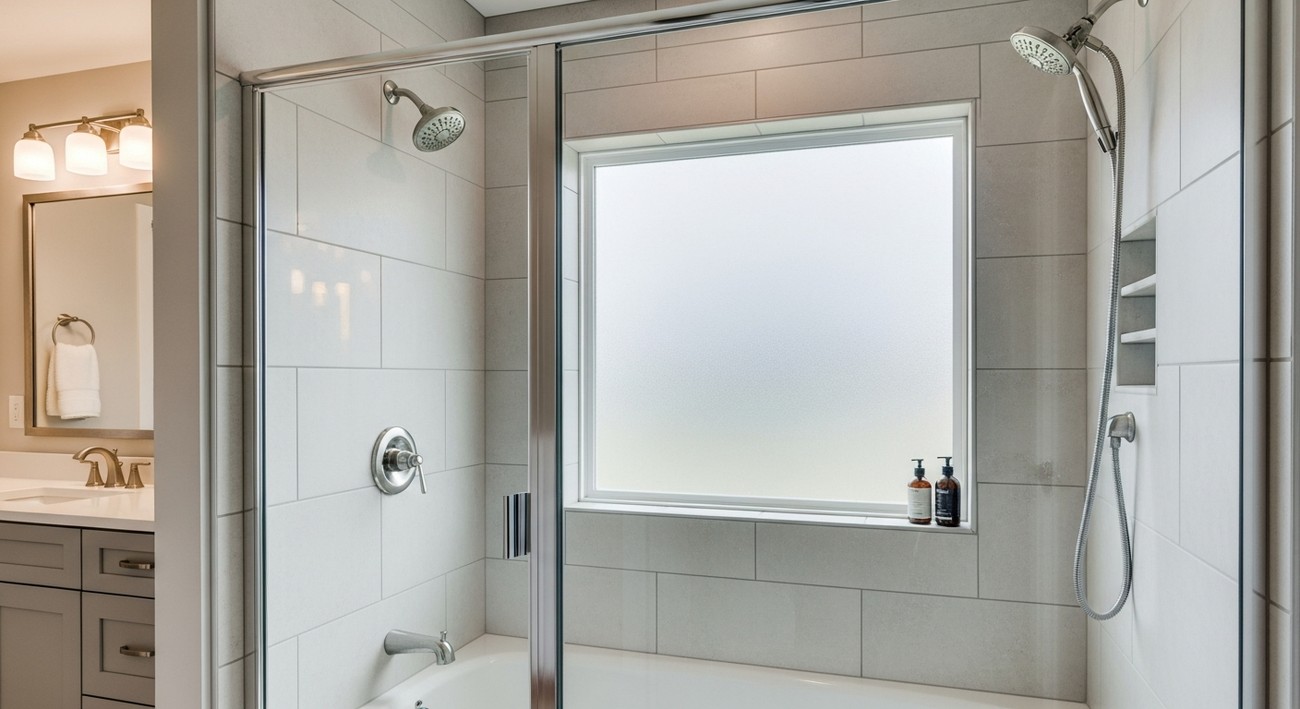
Tub to Shower Conversions FAQ
Why consider a tub to shower conversion?
A tub to shower conversion can dramatically transform the functionality and aesthetics of your bathroom. Many homeowners switch to showers to save space, enhance accessibility, and update the look of their bathroom. Showers are typically easier to clean than tubs and can accommodate various modern design elements like frameless glass doors and stylish tilework.
How long does a tub to shower conversion take?
The duration of a tub to shower conversion largely depends on factors such as the complexity of the design, any necessary plumbing adjustments, and the contractor's schedule. Generally, a simple conversion can take a few days to a week. However, more complex projects involving extensive customization or relocation of plumbing might extend beyond this timeframe.
Is a tub to shower conversion expensive?
The cost of converting a tub to a shower varies widely based on the scope of the project, materials used, labor rates, and geographical location. On average, homeowners can expect to invest several thousand dollars. However, costs can be optimized by choosing readymade shower kits and keeping fixtures simple. It's a good idea to get multiple quotes to ensure you’re getting a fair price for your tub to shower remodel.
Can I do a tub to shower conversion myself?
While a tub to shower conversion is a doable DIY project for those with the proper skills and tools, it can be challenging and time-consuming. DIY enthusiasts can save on labor costs, but they should be prepared for potential plumbing complications and issues that may arise with waterproofing. For those less experienced, hiring a professional can ensure that the work meets building codes and is completed efficiently.
What should I consider when planning a tub to shower conversion?
Before diving into a tub to shower conversion, assess your bathroom layout, plumbing configuration, and style preferences. Consider who will be using the shower—children, elderly, or individuals with mobility issues may require specific design features like grab bars or non-slip flooring. Think about the type of shower enclosure you'd like and any additional features, such as built-in seating or shelving, to make the conversion meet your needs.
Will converting a tub to a shower affect my home’s resale value?
Converting a tub to a shower can positively or negatively impact your home's resale value, depending on your local real estate market and the preferences of potential buyers. While a stylish, modern shower can be appealing, families with young children often seek homes with at least one bathtub. It’s wise to research buyer trends in your area or consult with a real estate agent to understand the potential impact on home value before proceeding.
How can I ensure that my tub to shower conversion is safe and accessible?
To ensure that your new shower is both safe and accessible, incorporate features like slip-resistant flooring, well-placed grab bars, and a low-threshold entry. For those with mobility issues, consider a curbless shower design or a seat to facilitate easier access. Good lighting and easy-to-reach storage for toiletries can further contribute to safety and convenience in a shower conversion.
Do I need a permit for a tub to shower conversion?
Whether a permit is required for your tub to shower conversion depends on the extent of the work and local building codes. Even if you're simply replacing fixtures, any changes to the plumbing may necessitate a permit. It's crucial to check with local building authorities or hire a contractor who can handle the permitting process to ensure your project complies with regulations.
How do I choose the right materials for a tub to shower conversion?
Selecting the right materials for your tub to shower conversion involves balancing aesthetics, durability, and budget. Popular choices for shower walls include tile, acrylic, and fiberglass, each offering unique benefits. Tile allows for customization but may require more maintenance, while acrylic and fiberglass are often easier to clean and install. Consider the water resistance, style, and longevity of materials when making your selection.
Can I include a seat in my new shower?
Yes, incorporating a seat into your new shower is a practical option for many conversions, offering both convenience and enhanced safety. Built-in benches or fold-down seats can accommodate those who prefer to shower seated or need to sit while bathing. Including a seat can make your shower more comfortable and accessible for everyone, and there are numerous design styles to match any bathroom décor.
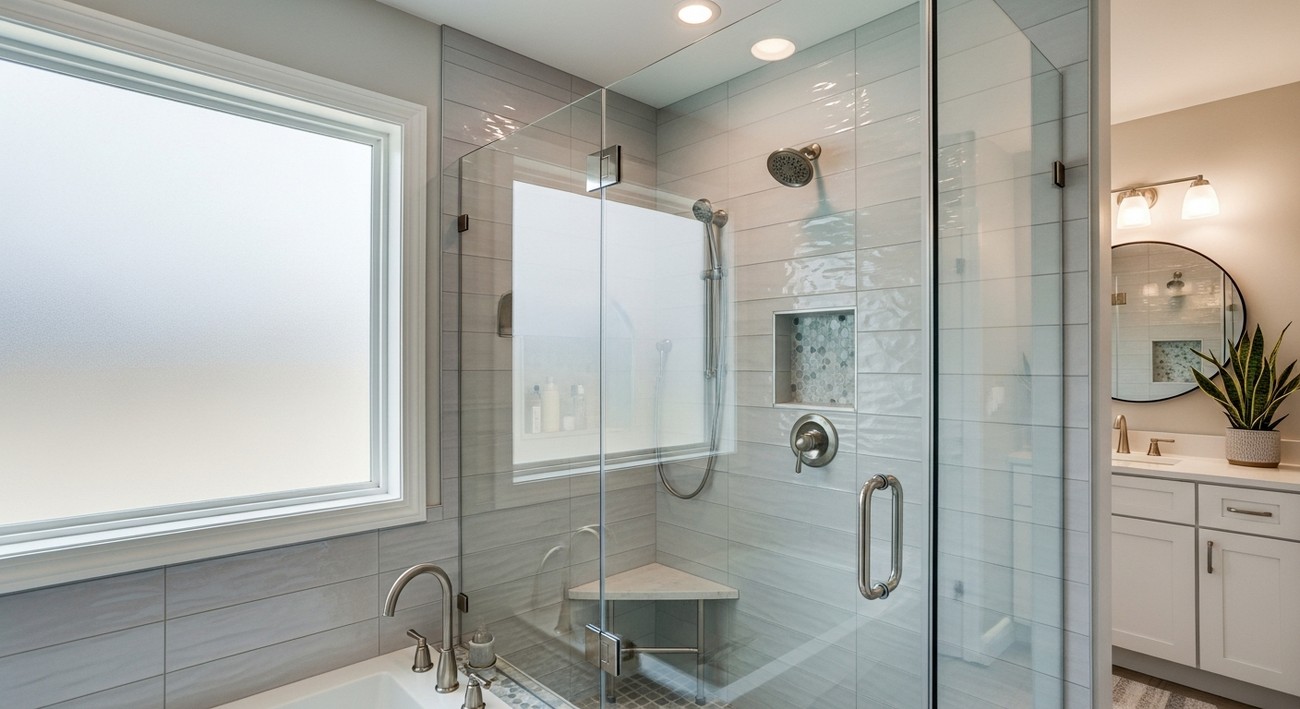
Cost Breakdown
Typical Price Ranges
Tub to shower conversions generally fall within two basic ranges: the budget range of $1,500-$5,000, and the premium range of $6,000-$15,000 or more. The wide gap accounts for varying complexities, materials, labor, and regional pricing differences. You might find your costs on the lower end if you have a smaller bathroom or select basic materials. However, if you aim for high-end fixtures or a complete bathroom overhaul, be prepared to invest more.
Factors That Affect Cost
Several key factors will determine how much you'll spend:
- Size of the Bathroom: Larger spaces can require more materials and labor, pushing costs up.
- Materials: The type of materials you choose—acrylic, fiberglass, or tiles—will significantly impact costs. For instance, basic acrylic may cost you around $300-$600, while premium tiles might set you back a few thousand dollars.
- Design and Features: Custom designs or the addition of high-end features like frameless glass doors or luxury showerheads can hike up the costs substantially.
- Plumbing Adjustments: If your conversion requires significant plumbing work or rerouting pipes, expect to pay for the extra labor and materials involved.
- Labor Costs: Labor can account for a large portion of the expense, usually between $1,000-$3,000. This varies depending on your location and the contractor's experience.
Cost Comparison (Budget vs. Premium Options)
In the budget category, costs range from $1,500 to $5,000. This range will typically cover basic replacements with mid-range materials like standard fiberglass or acrylic shower walls and a basic showerhead. You'll get functional yet straightforward design elements, likely without a personalized or designer touch.
On the other hand, premium projects start at $6,000 and can go well beyond $15,000. Higher-end materials—such as full tiling, rain showerheads, dual fixtures, and customized glass enclosures—fall into this category. You'll enjoy a more luxurious and potentially more durable shower space.
Hidden Costs to Consider
It's easy to overlook some hidden costs that might emerge:
- Mold or Water Damage: Discovering mold or previous water damage during conversion can add to the overall budget by a few hundred to a couple of thousand dollars, depending on severity.
- Permit Fees: Some areas require permits for major bathroom renovations, which can cost anywhere between $100-$500.
- Unexpected Structural Modifications: Older homes may require updates to meet current codes, such as reinforcing walls, which can also incur additional costs.
Ways to Save Money
Saving money while achieving a beautiful bathroom conversion is entirely possible with a few strategies:
- DIY Parts of the Project: If you're handy, consider handling some aspects yourself, such as demolition or cleanup.
- Choose Ready-Made Kits: Pre-fabricated shower kits can be more affordable and simpler to install, potentially reducing labor costs.
- Opt for Mid-Range Materials: Balance cost and quality by selecting mid-range materials. They offer durability without the high price of premium options.
- Shop Sales and Discounts: Timing purchases for holiday sales or store promotions can cut material costs significantly.
- Get Multiple Quotes: Always consult various contractors to ensure you're getting the best price for the work you want done.
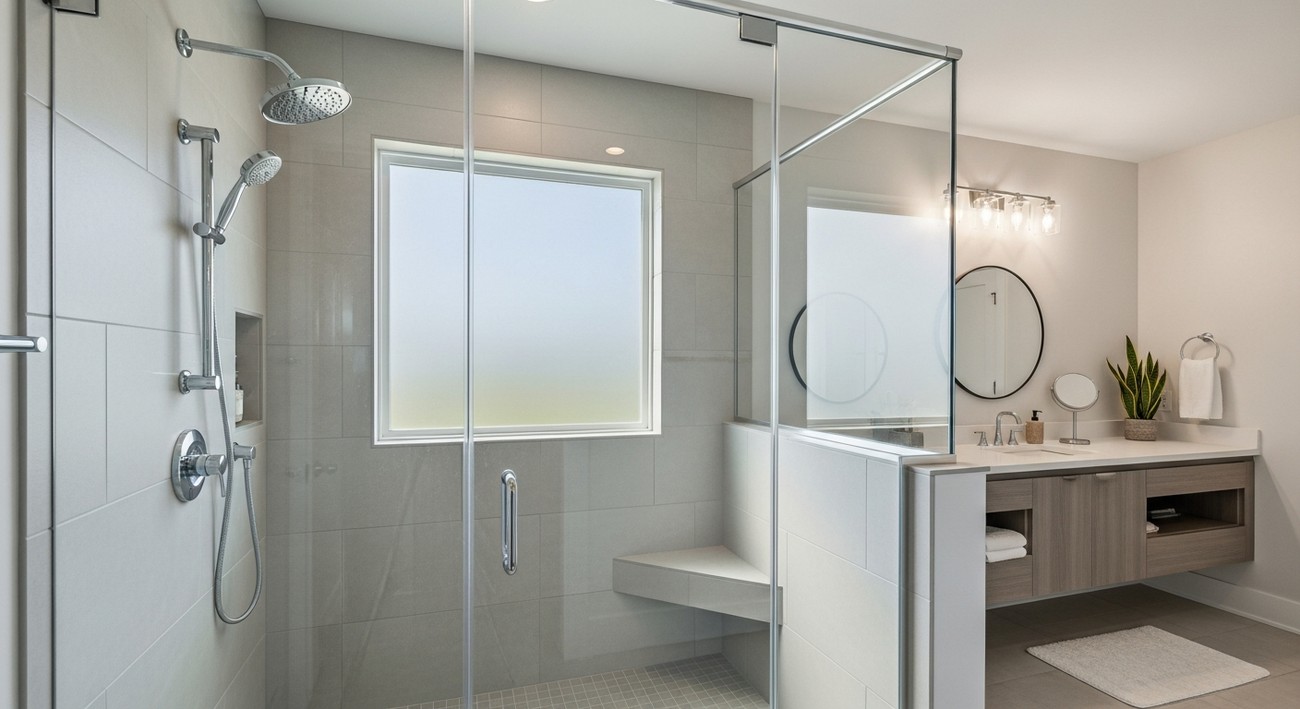
Timeline & Process
Phase 1: Initial Consultation and Planning (1 week)
The process kicks off with an initial consultation. This phase usually lasts about a week. During this time, you'll meet with a contractor or bathroom remodeling expert to discuss your vision. This is where you lay out your preferences for design, materials, and budget. To prepare, gather inspiration from magazines or online sources and jot down a list of must-have features.
Dependencies: Ensure your schedule accommodates meetings, and be ready to provide feedback on design options.
Phase 2: Design and Permitting (2-3 weeks)
Once the consultation wraps up, the project transitions to the design and permitting phase, lasting two to three weeks. Here, the designer drafts plans reflecting your preferences, taking into account structural and plumbing considerations. Simultaneously, permits are obtained as required by local regulations.
Preparation Tips: Stay engaged with the designer by reviewing drafts and suggesting modifications. Ensure you understand any local code restrictions that might affect the design.
Phase 3: Demolition and Prep Work (1 week)
Demolition typically takes about a week. The crew will tear down the existing tub, remove tiles, and prep the space for the new shower installation.
How to Prepare: Clear the area of personal items and provide easy access to the work area. Consider safeguarding other parts of your home by covering furniture and pathways.
Phase 4: Plumbing and Waterproofing (1-2 weeks)
Next comes plumbing and waterproofing, spanning one to two weeks. New plumbing lines are installed or existing ones adjusted to fit the new layout. Waterproofing measures ensure long-term durability and protection against leaks.
Preparation Tips: You'll need to coordinate access for the plumber, and it's wise to test water shutoff valves ahead of time to avoid surprises.
Phase 5: Installation (2-3 weeks)
The real transformation takes place over two to three weeks during the installation phase. Walls are built, tiles are placed, fixtures are installed, and glass enclosures are fitted. This is where you'll see your new shower taking shape.
Dependencies and Waiting Periods: Tile setting requires curing time, which might add a bit of waiting between steps. Communicate regularly with the crew to understand any delays.
Preparation Tips: Confirm design details like grout color and fixture placement ahead of time. Take this opportunity to arrange temporary showering solutions, as your bathroom will be out of commission.
Phase 6: Finishing Touches and Inspection (1 week)
In the final week, finishing touches are applied. Grout is sealed, fixtures are polished, and a final inspection ensures everything meets design specifications and functional standards.
How to Prepare: Be available for the final walkthrough with your contractor. It’s your chance to check the details and ensure everything is implemented to your satisfaction.
Phase 7: Cleanup and Handover (2-3 days)
The last step is a thorough cleanup and handover, which takes two to three days. The crew will remove debris, clean the workspace, and hand over this new part of your home. Preparation Tips: Prior to the handover, prepare any remaining balance for payment. Review any maintenance tips or warranties with your contractor to ensure a smooth post-renovation experience.
Final Thoughts
Tub to Shower Conversions can truly transform your bathroom, enhancing both its functionality and aesthetics. By replacing an underutilized bathtub with a spacious shower, you can create a more accessible and modern space that fits your lifestyle, especially for those of us living in Springfield, MO, where space can be at a premium.
If you’re considering this upgrade, we’re here to help make the process seamless and enjoyable. Our team at GoodLife Home Renovations is dedicated to serving homeowners in the area, ensuring you receive the personalized attention and expertise you deserve. Reach out to us to schedule a consultation or request a free estimate, and let’s turn your vision into reality!


