


As we age or face mobility issues, walk-in tubs become an enticing choice for a safe and comfortable bathing experience. While aesthetics, safety features, and ease of use play significant roles in choosing a walk-in tub, the water capacity is an equally vital consideration. A more in-depth understanding of water capacity can ultimately enhance your overall bathing experience.
In this article, we'll delve into the factors influencing walk-in tub water capacity, how it affects usability, and what you need to know when selecting the right tub for your home.
What is Water Capacity in a Walk-In Tub?
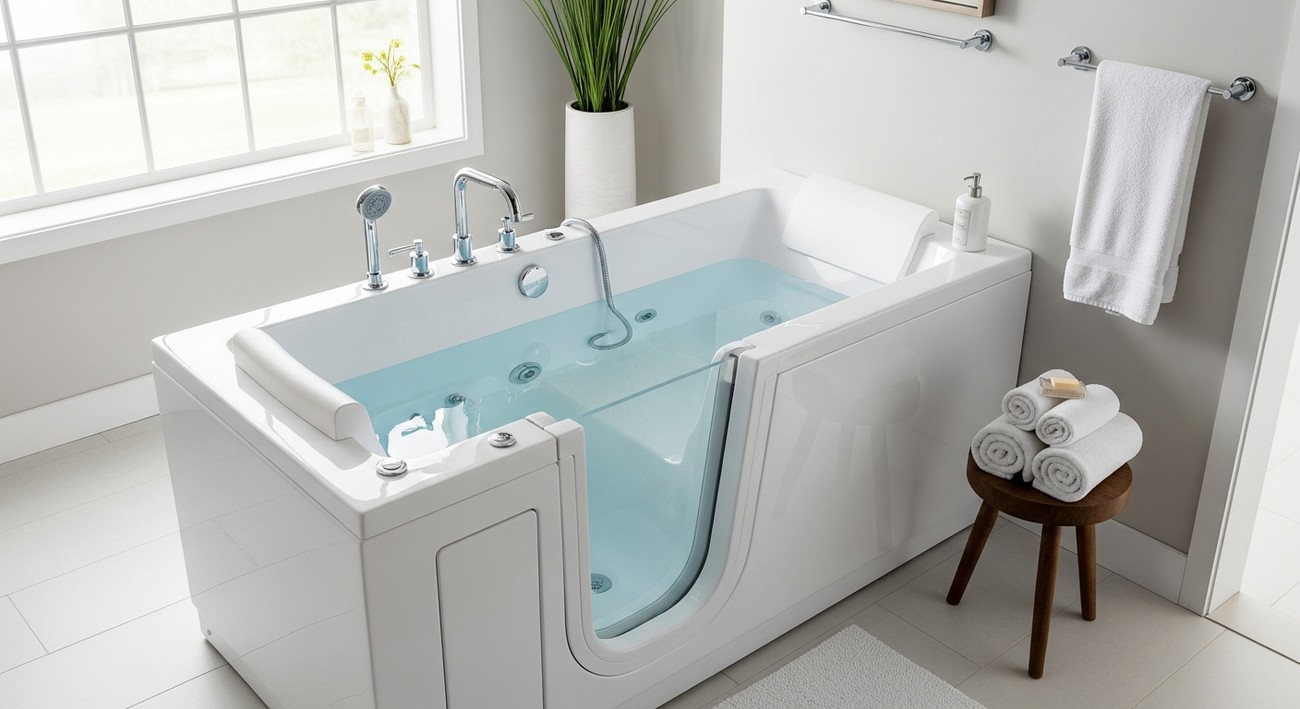
Water capacity refers to the total volume of water a tub can hold to provide an effective and comfortable bathing experience. This measurement is typically given in gallons and can vary significantly among different models based on their size, design, and additional features.
Why Does Walk-In Tub Water Capacity Matter?
The water capacity of a walk-in tub influences several critical aspects:
- Comfort: The depth and volume of water determine how well you can submerge yourself, affecting overall relaxation.
- Efficiency: Higher water capacity generally translates to longer filling and draining times, impacting water and energy usage.
- Installation Requirements: Greater water volumes may require plumbing adjustments, especially in older homes with outdated piping.
Factors Affecting Walk-In Tub Water Capacity
Tub Size
The most apparent factor influencing the water capacity is the size of the tub. Generally, larger walk-in tubs hold more water. The length, width, and depth all contribute to this capacity, allowing individuals of various sizes to find a suitable option.
Design and Shape
While size plays a major role, the design and shape can also substantially influence capacity. Contoured seats, built-in armrests, and angled backrests can alter the amount of space available for water.
Additional Features
Many walk-in tubs come equipped with special features like jets or therapeutic fixtures. These elements can take up internal space, reducing the water capacity compared to traditional tubs of the same external dimensions.
Typical Water Capacities for Walk-In Tubs
Understanding common capacities can guide you in making an informed decision. Here's a general guideline:
- Small Walk-In Tubs: These usually accommodate anywhere from 40 to 50 gallons. They are ideal for small bathroom spaces and primarily designed for individuals who do not require a full soak.
- Medium Walk-In Tubs: Holding between 50 to 80 gallons, these offer a balance between space efficiency and comfort.
- Large Walk-In Tubs: Large models can hold 80 gallons or more, providing ample space for full body immersion and ultimate relaxation.
How to Choose the Right Water Capacity
Selecting the appropriate water capacity involves assessing a few crucial considerations:
Home Plumbing System
Ensure that your home’s plumbing can handle the tub’s filling and draining requirements. Older or insufficient piping systems may struggle with larger volumes of water.
Water Heater Capacity
A crucial element to consider is your home’s water heater. Check that it can produce enough hot water to fill the tub without exhausting the hot water supply for the rest of the home.
Personal Preferences and Needs
Think about the desired degree of immersion and relaxation you wish to experience. If complete submersion is a priority, you'd likely lean towards larger tub capacities.
Budget Considerations
Larger water capacities can lead to increased water and energy bills. Assess if the benefits align with household budget constraints.
Enhancing Your Walk-In Tub Experience
Choosing the right water capacity enhances the therapeutic and relaxing experience of using a walk-in tub. Here are a few ways to further optimize your time spent enjoying your tub:
- Use Efficient Water Heaters: Consider installing an on-demand water heater to ensure a consistent hot water supply.
- Regular Maintenance: Keep the plumbing and jets clean and well-maintained to ensure the tub operates efficiently.
- Experiment with Bath Additives: Using bath salts or scented oils can amplify the relaxation provided by your tub.
Walk-In Tub Water Capacity FAQ
How is the water capacity of a walk-in tub measured?
The water capacity of a walk-in tub is usually measured in gallons and refers to the amount of water the tub can hold when filled to its maximum level. It's important to note that the listed capacity typically accounts for the space the person's body will displace, so the tub isn't actually filled to the brim when a person uses it. Depending on the model, a walk-in tub can hold anywhere from 40 to 80 gallons of water, offering a relaxing bathing experience while ensuring user safety and comfort.
Does the water capacity of a walk-in tub affect water usage?
Yes, the water capacity of walk-in tubs does influence overall water usage. Tubs with higher capacities will require more water for filling, which in turn can affect water bills and heating energy costs since supplementary hot water might be necessary. It's essential to choose a tub size that balances your comfort level with your household's water and energy efficiency. People looking for a more eco-friendly and cost-effective option might consider smaller models or those with advanced water management systems.
What factors influence the water capacity of a walk-in tub?
Several factors influence the water capacity of a walk-in tub. These include the dimensions of the tub itself, such as its height, depth, length, and width. Larger tubs generally have a higher water capacity. Additional features like built-in seating, jets, or other comforts might also impact space and thus the volume of water needed to fill the tub. Always refer to the specifications provided by the manufacturer to get an accurate idea of a particular model's water capacity.
How does walk-in tub water capacity compare to that of traditional bathtubs?
Walk-in tub water capacity can vary significantly compared to traditional bathtubs. Traditional bathtubs typically hold between 30 and 50 gallons of water. On the other hand, walk-in tubs usually have capacities ranging from 40 to 80 gallons due to their design tailored for therapeutic baths and user comfort. The increased capacity allows for more water coverage and often includes additional features like jets that require more water to function effectively.
Is a larger walk-in tub water capacity always better?
Not necessarily. While a larger water capacity can provide a more immersive bathing experience and allow for additional therapeutic features, it also requires more water and time to fill. This can lead to longer waiting times and increased water usage, which might not be ideal for every user. It's crucial to consider personal needs, bathroom space, water heater capacity, and budget when choosing the perfect walk-in tub size.
How does water capacity impact the installation of a walk-in tub?
The water capacity impacts various aspects of installing a walk-in tub. Homes need sufficient water pressure and a compatible water heater capable of quickly filling the tub with adequately heated water. Larger capacity tubs may necessitate an upgraded water heater. Additionally, considering the weight of a fully filled tub, the floor structure must be able to support the tub's weight to prevent any structural damage. Consulting a professional installer ensures all factors are addressed properly.
Can you modify a walk-in tub's water capacity after installation?
While you can't physically enlarge or reduce the basic design of a walk-in tub once it's installed, there are options to modify how you fill it. For example, if water capacity is too high, you can simply fill the tub to a comfortable water level rather than its maximum. Conversely, adding removable seating or making use of inflatable cushions can reduce the capacity needed without denying the soaking benefits. Such alterations permit homeowners to tailor the bath experience to their needs without drastic renovations.
Do walk-in tubs with higher water capacity take longer to drain?
Generally, yes. A walk-in tub with higher water capacity might take longer to drain simply because there's more water to remove. However, many modern walk-in tubs come equipped with advanced fast-drain systems designed to expedite the process. When selecting a tub, it's beneficial to inquire about drain times and features that minimize waiting periods, ensuring that convenience and efficient recovery after bathing are kept in balance.
The Inside Scoop on Walk-In Tub Water Capacity
Pros
Luxurious Soak Experience
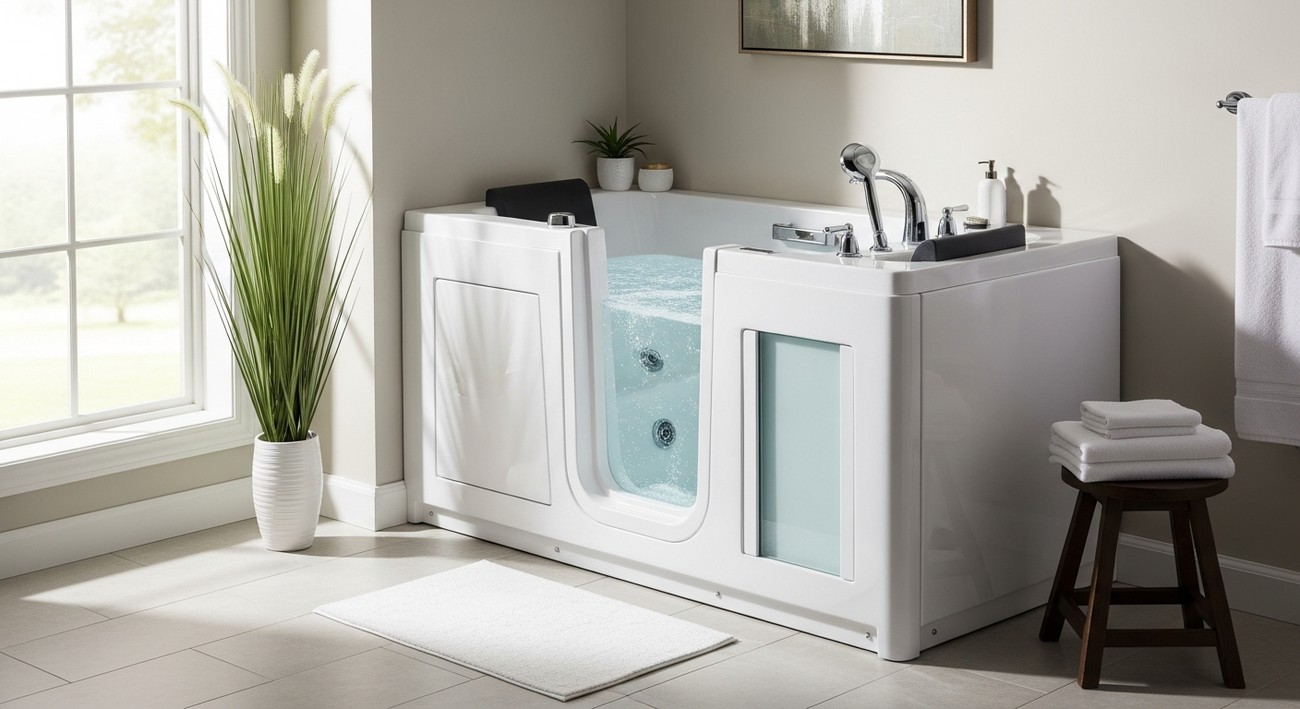
One of the biggest benefits of ample water capacity in a walk-in tub is the ability to enjoy a truly luxurious soak. Imagine immersing yourself in warm water that reaches up to your neck, relieving muscle tension and providing a spa-like experience right at home. With more water, you get more opportunities to fully relax and unwind after a long day.
Therapeutic Benefits
For those who need hydrotherapy for health reasons, larger water capacity can mean enhanced therapeutic benefits. Having enough water to adequately cover and support the body can help with pain relief, improve circulation, and reduce stress on joints, making it ideal for people dealing with arthritis or chronic pain.
Versatility for User Preferences
Greater water capacity allows for versatility. Whether you prefer a quick shallow bath or an indulgent deep soak, larger tubs can accommodate varying preferences. This flexibility is perfect for households with multiple users who have different bathing needs and desires.
Enhanced Safety Features
Many walk-in tubs designed to hold a larger volume of water also come equipped with enhanced safety features. These may include quick drain systems to help evacuate the water faster, minimizing the wait time for exiting the tub safely. Moreover, some models come with temperature control settings to prevent overheating during a prolonged soak.
Potential Increase in Home Value
Homebuyers often view a well-equipped bathroom with luxury features such as walk-in tubs favorably, especially in homes aimed at older adults or those with mobility issues. A walk-in tub with a significant water capacity could be a selling point that enhances your home's value and appeal in the market.
Cons
Increased Water Usage
A key downside of high water capacity in walk-in tubs is the increased water usage, leading to higher water bills. Filling a tub that requires more gallons means that each bath can be significantly more expensive in terms of water consumption compared to traditional bathing options.
Extended Fill and Drain Times
One practical issue with higher water capacity is that it takes longer to fill and drain the tub. This could potentially be an inconvenience if you are in a hurry or if you have limited time to take a bath. In some cases, users may have to sit in the tub while it fills and drains, which may not be pleasant during colder months.
Potential for Higher Energy Costs
If your walk-in tub is connected to a water heater, a larger capacity tub can use more hot water, potentially driving up energy costs. This is particularly true in colder climates where the water needs to be heated more intensely to reach a comfortable temperature.
Space Considerations
Walk-in tubs with larger water capacities are often physically larger units. This can be a drawback if you have limited bathroom space or if the bathroom is designed in a way that doesn't easily accommodate a large tub. Installing a bigger tub may require remodeling or significant alterations to your existing bathroom setup.
Structural Strain
The substantial weight of a filled large-capacity walk-in tub can also pose structural concerns for some homes, especially older buildings. The additional weight might require floor reinforcement to safely support the tub, adding to the installation costs and complexity.
Environmental Impact
There is always an environmental consideration with increased water usage. While enjoying a long soak is relaxing, it might feel less so when considering the ecological footprint of using extra water with each bath. Those concerned about sustainability may find this aspect to be a significant drawback.
Final Thoughts
Understanding the walk in tub water capacity is crucial for ensuring that your bathing experience is both comfortable and enjoyable. Whether you're looking to relax in a soothing soak or prefer a quick rinse, selecting a tub that meets your needs will enhance your overall experience. It's important to choose a model that fits not just your space but also your lifestyle, especially if you're considering accessibility features that can offer extra safety and comfort.
If you're in the Springfield, MO area and are contemplating a walk in tub installation, we at GoodLife Home Renovations are here to help. Our dedicated team is ready to guide you through the options that fit your specific needs and preferences. Reach out to us to schedule a consultation or request a free estimate, and let’s work together to create the perfect bathing solution for your home.


