


When it comes to upgrading your kitchen, one of the most essential but often overlooked components is the range hood vent. Not only does it enhance the aesthetic appeal of your cooking space, but it also plays a crucial role in maintaining indoor air quality by expelling smoke, grease, and odors. Whether you are a culinary enthusiast or someone installing a new kitchen, finding the best range hood vent can significantly improve your cooking experience and kitchen environment. In this guide, we'll delve into the best range hood vents available, highlighting features, benefits, and tips for selecting the right one for your kitchen.
Why Range Hood Vents Matter
Before diving into the best range hood options, it's essential to understand why they are indispensable in modern kitchens. Range hood vents are designed to:
- Eliminate smoke, steam, and grease making cooking more pleasant.
- Reduce odors, keeping the kitchen and home smelling fresh.
- Prevent grease build-up on kitchen surfaces, reducing cleaning time.
- Enhance ventilation, ensuring a healthier kitchen environment.
These contributions make range hood vents not just an accessory but a necessity for every functional kitchen.
Types of Range Hood Vents
Understanding the different types of range hood vents is critical before making a purchase. Each type has unique features and benefits, making them suited for various kitchen layouts.
Under-Cabinet Range Hoods: These are the most common type of hood vent, mounted beneath kitchen cabinets or cupboards. Ideal for maximizing the use of space, under-cabinet models are perfect for smaller kitchens.
Wall-Mounted Range Hoods: As the name implies, wall-mounted hoods are installed on the wall above the stove. They often come with a chimney and are a popular choice for modern kitchens due to their sleek, stylish design.
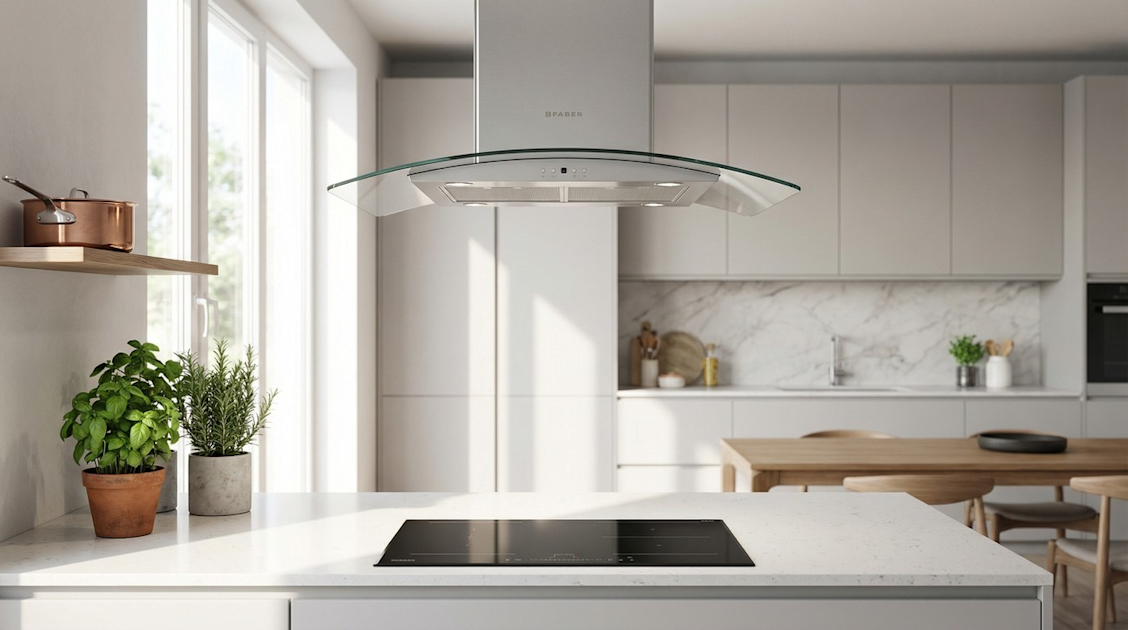
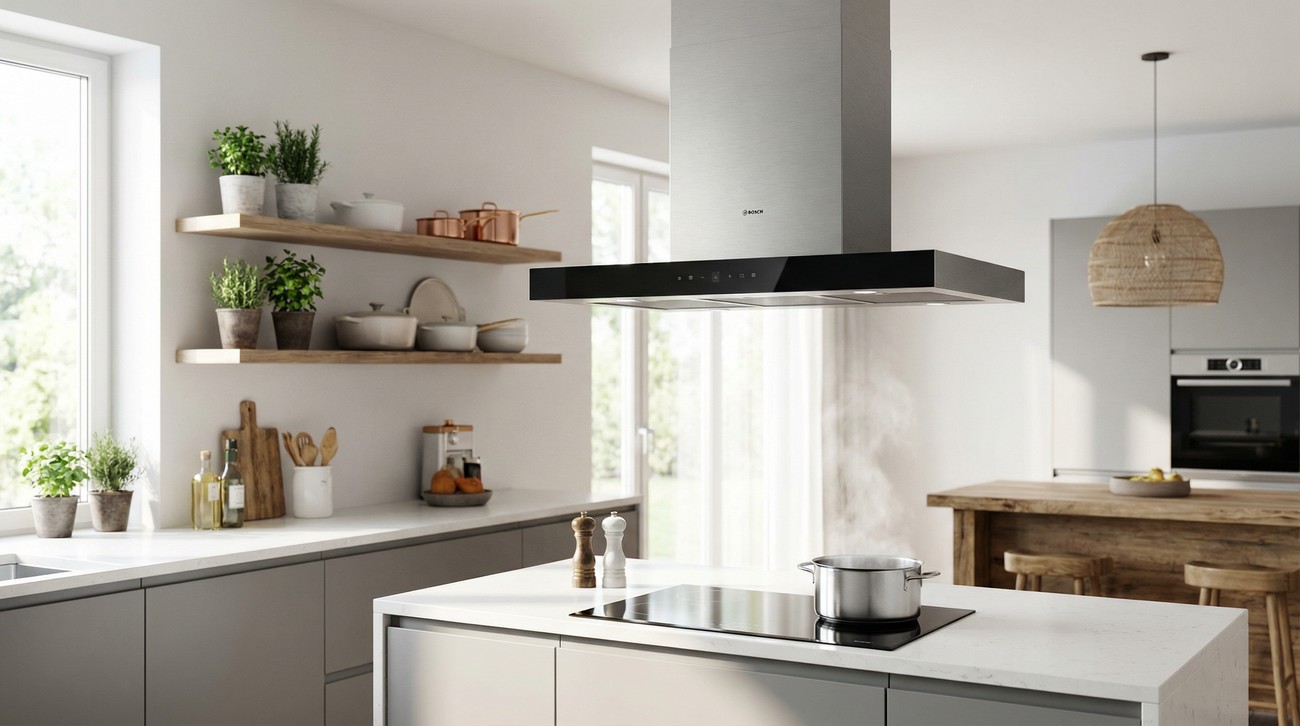
Island Range Hoods: Specifically designed for kitchens with an island cooktop, these hoods hang from the ceiling and are a focal point in spacious kitchens.
Downdraft Range Hoods: Built into the cooktop, these hoods are an innovative solution for counter or island setups, retracting when not in use.
Key Features to Look for
Choosing the best range hood vent involves more than just picking a style. Several features can enhance performance and fit your specific kitchen needs.
Airflow Capacity
Measured in CFM (cubic feet per minute), airflow capacity determines how effectively a hood can ventilate your kitchen space. Larger kitchens or those with frequent high-heat cooking should opt for higher CFM.
Noise Levels
Since range hoods can be noisy, it's essential to consider models designed to operate quietly. Look for units with a decibel rating in the product specifications to avoid disrupting your kitchen tranquility.
Filters
- Aluminum Mesh Filters: Cost-effective and washable, these are the most commonly used filters. They do require regular cleaning.
- Baffle Filters: Known for durability and efficiency, these are often made of stainless steel and help with easy grease removal.
- Charcoal Filters: These filters are typically used in ductless hoods to remove odors and need to be replaced periodically.
Lighting
Good lighting is vital for effective cooking. Many range hoods come with integrated lights. LED lights are energy-efficient, long-lasting, and provide optimal illumination.
Top Range Hood Vents for Every Kitchen
KitchenAid Wall-Mount Range Hood
With its robust 600 CFM motor, the KitchenAid Wall-Mount Range Hood is perfect for the serious home chef. Its three-speed fan control offers optimal flexibility, while the dishwasher-safe baffle filters ensure easy maintenance.
Broan-NuTone Under-Cabinet Range Hood
A favorite among homeowners for its sleek design and powerful performance, the Broan-NuTone under-cabinet range hood features a 250 CFM motor and an ADA-compliant remote operation capability.
Zephyr Island Range Hood
Designed for open-concept kitchens, the Zephyr Island Range Hood not only provides efficient smoke extraction with its 290 CFM blower but also serves as an eye-catching statement piece with its high-gloss finish and modern style.
Installation Tips
Installing a range hood vent can be a straightforward process with the right tools and knowledge. Here are some practical tips:
- Measure Twice: Ensure you have precise measurements of your stove and space where the hood will be installed. This prevents any discrepancies during installation.
- Choose the Right Height: Mount the hood vent at the recommended height. Typically, under-cabinet hoods should be 18-24 inches from the stovetop, whereas other models vary.
- Consider Professional Help: If you're not confident in your DIY skills, hiring a professional can ensure proper installation and adherence to ventilation codes.
Maintenance for Optimal Performance
To keep your range hood vent operating at its best, regular maintenance is crucial. Here are a few maintenance tips:
- Clean Filters Regularly: Depending on usage, the filters should be cleaned or replaced every 1-3 months.
- Wipe Down Surfaces: Regularly clean the exterior of the hood with a non-abrasive cleaner to keep it looking new.
- Check Vent Connections: Periodically inspect the ductwork for any signs of blockage or damage.

Frequently Asked Questions About Best Range Hood Vents
What should I consider when choosing the best range hood vents?
When selecting the best range hood vents, consider factors such as ventilation type, size, noise level, and style. You’ll want to decide between ducted and ductless systems based on your kitchen setup. Ducted range hood vents effectively remove air outside, which is ideal for cooking that generates a lot of smoke or odors. Ductless vents use filters to recirculate air back into the kitchen, which is suitable for apartments or spaces where exterior venting isn’t possible. Additionally, ensure the hood covers your cooking area adequately, handles airflow efficiently, operates quietly, and complements your kitchen design.
How important is the CFM rating in range hood vents?
The CFM, or cubic feet per minute, measures the airflow of range hood vents. A higher CFM indicates a stronger air removal capability, which is crucial if you regularly cook with high heat or generate a significant amount of smoke. The best range hood vents should ideally offer a CFM suitable for your cooking style and kitchen size. As a general guide, you can calculate the CFM needed by considering the type of range you have: 100 CFM for every linear foot of the range is a standard estimation.
Are quiet range hood vents less effective?
Quiet range hood vents can be effective if designed well. Manufacturers focus on creating quieter models by incorporating sound-dampening technology without sacrificing performance. When looking for the best range hood vents, you should check both the sones rating, which measures the noise level, and the performance specs. Premium models often achieve a balance between low noise output and high ventilation efficiency, allowing you to maintain a tranquil kitchen while ensuring proper air circulation.
Do range hood vents need regular maintenance?
Yes, regular maintenance is crucial to maximize the performance of your range hood vents. This typically involves cleaning or replacing filters, which trap grease and particulates. Ducted systems may require less frequent cleaning but should have ducts cleared of obstruction regularly. Ductless vents need filter replacements more often to maintain their effectiveness. Keeping the surfaces and lights clean also ensures the best range hood vents remain efficient and enhance their lifespan.
How do I match the style of range hood vents to my kitchen?
Matching the style of the best range hood vents to your kitchen involves considering both the aesthetic and functional aspects. First, decide on the material, whether it’s stainless steel, glass, or a custom cabinet-finish to blend in seamlessly. Next, consider the hood’s design, from sleek contemporary lines to classic, ornate finishes that complement your kitchens' decor. Finally, ensure the size and installation align with the overall décor and functional space requirements, maintaining a cohesive look without overpowering the other elements.
Are energy-efficient range hood vents available?
Yes, there are energy-efficient range hood vents available that offer superior performance with lower electricity usage. Look for models with energy-saving LED lights and efficient motors. Energy Star ratings can also guide you to the most efficient models. By selecting these options, you contribute to reducing power consumption while maintaining the high functionality expected from the best range hood vents. Energy-efficient models not only lower utility costs but also provide an environmentally friendly option for your kitchen.
Can range hood vents improve indoor air quality?
Yes, using the best range hood vents can significantly improve indoor air quality. They effectively remove smoke, odors, fumes, and airborne grease, which can contribute to indoor pollution and impact health. Properly installed and maintained, these vents filter out contaminants and recirculate cleaner air, making the kitchen environment healthier and more comfortable. Choosing the right vent ensures that your home remains well-ventilated and your air quality is at its best, especially when cooking meals that produce particulates and aromatics.
Buyer's Guide: What to Look For
Key Factors to Consider
When hunting for the best range hood vents, several factors deserve your attention to ensure you pick the perfect one for your kitchen. Here’s a quick rundown of the essentials.
Size and Fit: The range hood should ideally match the width of your cooking range, or better yet, be slightly wider, to efficiently capture smoke and fumes. Measure your cooking area to ensure a perfect fit.
Type of Hood: Choose between under-cabinet, wall-mounted, island, or insert range hoods based on your kitchen layout. Each type serves a specific installation need, so consider how much room you have and where it should ideally be placed.
Ventilation Power (CFM): The cubic feet per minute (CFM) rating is crucial as it determines how much air the hood can move. More powerful CFM is vital for larger kitchens and frequent heavy cooking, while a lower CFM works for smaller, less intense spaces.
Noise Level: Range hoods can be noisy, so check the sones rating. A quiet range hood is around 1-3 sones. If you can’t hear your family over the fan, it’s not the right fit.
Ducted vs. Ductless: Decide whether you need a ducted system that vents outside or a ductless one with filters recirculating air inside. Ducted models often perform better, while ductless types are easier to install.
Must-Have vs Nice-to-Have Features
Must-Haves:
- Durable Construction: Stainless steel is not only stylish but also long-lasting and easy to clean.
- Efficient Lighting: LED lights or halogen lights are durable and energy-efficient, making them essential for illuminating your cooking space.
- Easy Controls: Look for simple and accessible settings such as push buttons or slide switches.
Nice-to-Haves:
- Smart Features: Wi-Fi connectivity and remote control might be beneficial if you enjoy smart home integration.
- Auto Shut-Off: Automatically turns off the fan after cooking to save energy.
- Heat Sensor: A practical add-on that adjusts the fan speed based on heat intensity.
Red Flags to Avoid
- Poor Build Quality: Avoid flimsy models that rattle or vibrate during operation. These often have shorter lifespans and can result in noisier functions.
- Weak Ventilation: Low CFM might not handle your cooking emissions effectively, leading to persistent odors.
- Limited Warranty: A sparse warranty might indicate the manufacturer’s lack of confidence in their product.
Questions to Ask Before Buying
- What size hood do I need to adequately cover my cooktop?
- Do I need a ducted system or will a ductless one suffice?
- How important is noise level to me and what’s my tolerance?
- Which features align best with my cooking habits?
How to Spot Quality
- Material and Finish: Look for solid stainless steel construction. It should feel robust, not tinny. The finish should be consistent and smooth, with no sharp edges.
- Sound Levels: Quality range hoods maintain a balance between power and quiet operation, so ensure the noise level is tolerable.
- Filter Type: High-quality models include baffle filters or high-grade mesh filters. These are efficient and easy to clean, allowing optimal air passage.
- Brand Reputation: Trustworthy brands typically have a history of positive reviews and reliable customer service, reflecting consistent quality.
- Energy Efficiency: Check for models that offer better energy ratings without sacrificing performance, ensuring you’re saving costs in the long run.

Final Thoughts
Choosing the best range hood vents is essential for maintaining a clean and comfortable kitchen environment. We’ve explored various options that cater to both functionality and style, ensuring you can find the perfect fit for your home’s design while effectively removing smoke, odors, and grease.
If you’re based in Springfield, MO, and ready to elevate your kitchen's ventilation, we’re here to help. At GoodLife Home Renovations, our team of trusted local experts can guide you in selecting and installing the right range hood vent that meets your needs. We invite you to reach out for a consultation or to request a free estimate, so you can enjoy a fresher, more inviting kitchen soon!


